
Last updated November 15, 2026
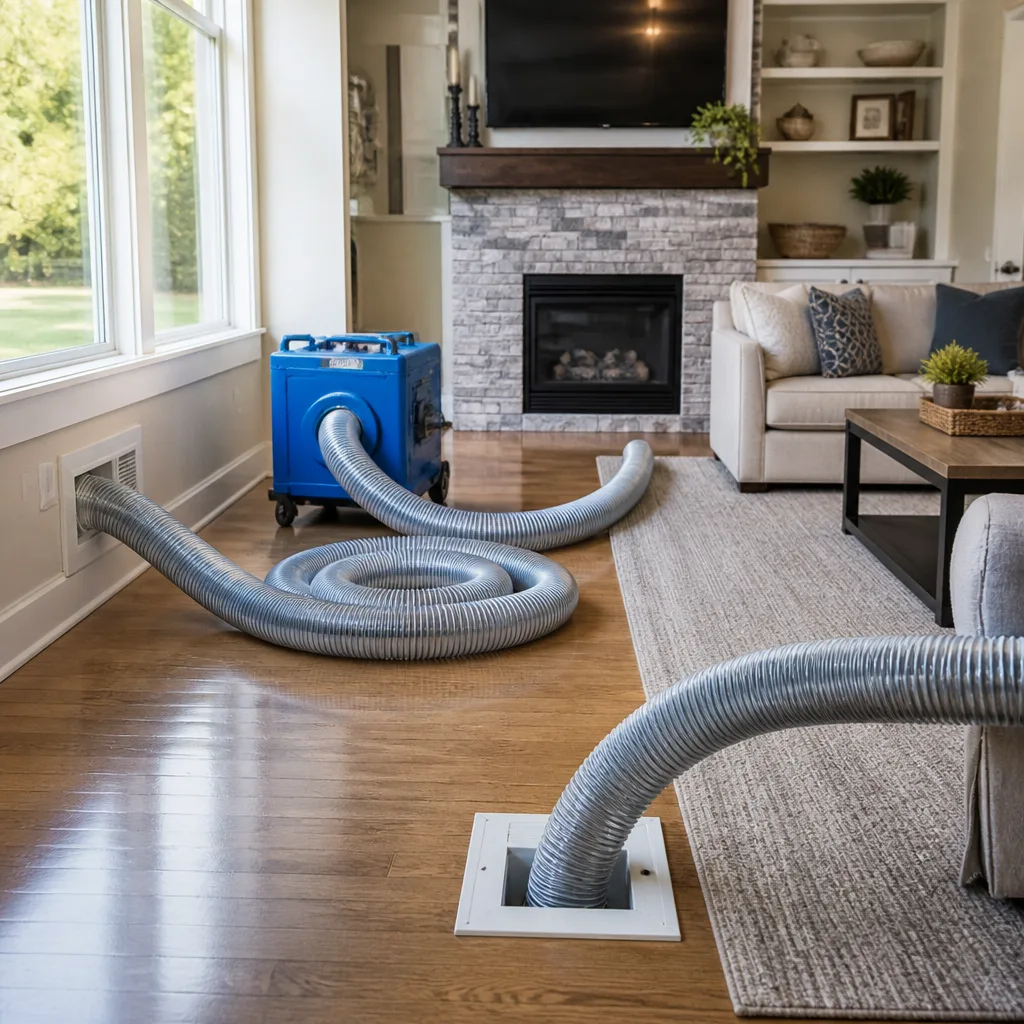 Whole-home duct cleaning
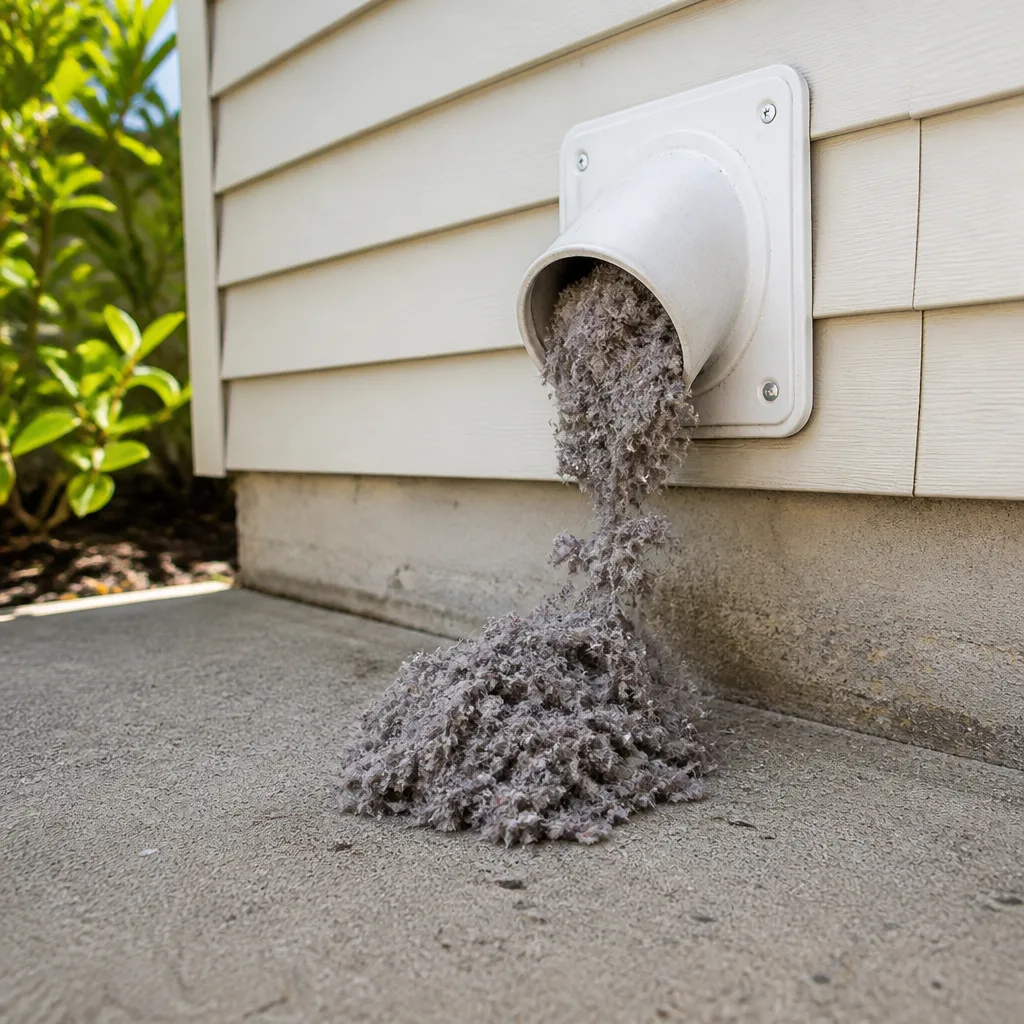 Dryer vent cleaning
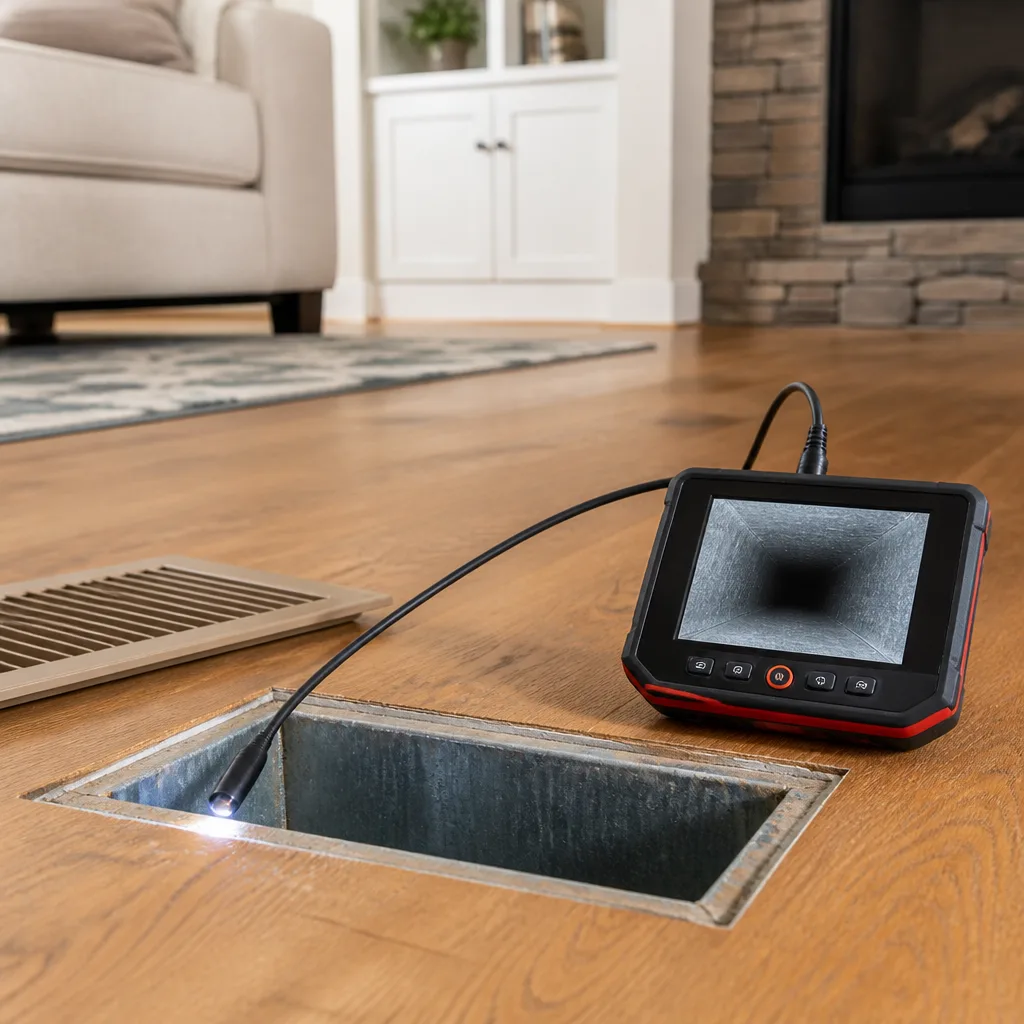 Camera inspection
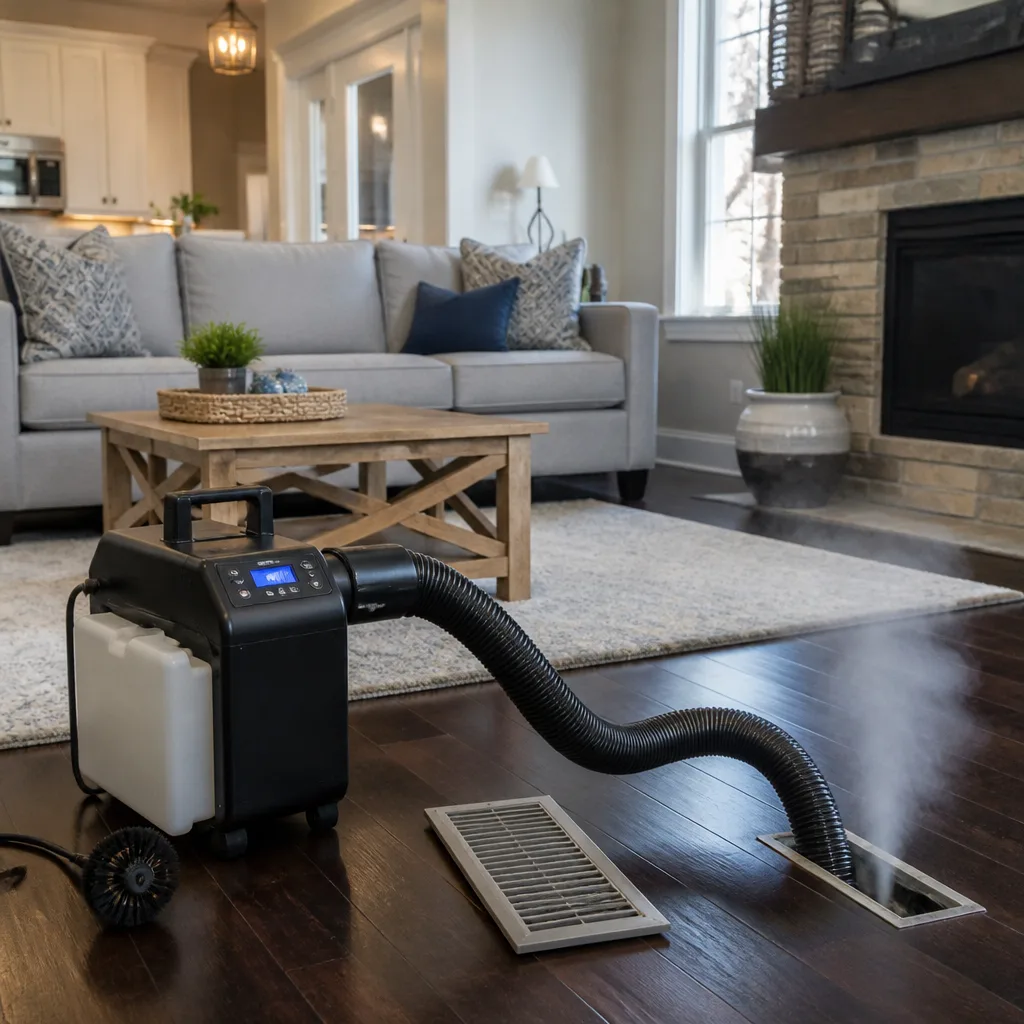 Sanitizing & deodorizing
Whole-system duct and dryer vent check with before-and-after photos - you see exactly what came out of your vents
That "$99 whole-house special" is a bait ad - the real number appears once they are in your hallway, or the "clean" is a shop-vac at the register. We photograph the inside of your ducts before and after instead.
The Complete Guide to Air Duct Cleaning in Mesquite
Most people think of duct cleaning as something you do once and forget. That assumption is where indoor air problems start. In Mesquite, ductwork doesn’t simply hold dust; it lives with expanding clay soil that pushes fine grit into the air, spring pollen that fills the return side, and attic heat that bakes flexible duct runs for months at a time. A one-time checkbox lets all of that accumulate unnoticed while you breathe the result. This guide explains how ductwork actually behaves in Mesquite, what real cleaning looks like, and how to tell the difference between source-removal work and a quick surface pass.
Quick Answer
Air duct cleaning in Mesquite means removing accumulated debris from the entire duct system – supply and return – under negative pressure, then verifying the work with before-and-after documentation. In our area it’s best treated as ongoing system management, because clay soil, humidity swings, and seasonal pollen load accelerate buildup faster than in most other regions. Professional cleaning removes the source of the contamination; surface wiping just moves it. Call (855) 360-8359 for a free estimate.
Styles & brands we work with
- Whole-home duct cleaning
- Dryer vent cleaning
- Camera inspection
- Sanitizing & deodorizing
Table of Contents
- Why Duct Cleaning Works Differently in Mesquite
- Source-Removal Cleaning vs. Surface-Pass Cleaning
- Why Inspection Comes Before Cleaning
- What Professional-Grade Equipment Actually Means
- How Duct Condition Affects Your HVAC System
- Duct Repair: When Cleaning Isn’t Enough
- How Often Do You Really Need It?
- Dryer Vents: The Hazard Next to Your Ducts
Why Duct Cleaning Works Differently in Mesquite
Generic duct cleaning advice assumes average conditions. Mesquite doesn’t run average. The hard, clay-heavy soil that dominates our region cracks in dry stretches and releases a fine dust that finds its way past every filter edge. Humidity swings, from dry spring highs to summer humidity that lingers, expand and contract seals throughout the duct system. Spring pollen comes in waves so thick that return grilles look like they’ve been dusted with green powder. Summer attics carry heat that flexible duct runs absorb for months, and that constant heat cycling gradually makes the outer liners more brittle.
Put those variables together and you get a contamination cycle that runs faster than standard advice suggests. The dust that enters from soil intrusion is abrasive. The moisture from seasonal swings lets some of it cling to duct walls instead of staying airborne. The heat then bakes that layer into a grimy film on the liner’s inner surface. By the time the ductwork is running poorly, the buildup has often been in place for years.
That’s why we frame this as a discipline rather than an errand. If you live in Mesquite and want a clean indoor environment, you need a routine that fits local conditions, plus a professional who inspects before cleaning. If you want to know who we serve and how we approach ductwork across the area, our Duct Cleaning Mesquite page starts there.
Local factors that drive contamination:
- Clay soil dust intrusion – fine grit that enters through return systems and bypasses standard filters
- Humidity swings – seasonal shifts that push buildup onto duct liners instead of leaving it suspended
- Spring allergen peaks – pollen load that overwhelms filters and collects on the return side
- Summer attic heat – constant heat exposure that ages flexible duct materials and seals faster than most climates cause
These aren’t paranoid concerns. They’re the normal conditions of the region. Once you accept that, the frequency question becomes simpler: it’s less about some national average and more about how quickly your own ductwork degrades under local stress.
Source-Removal Cleaning vs. Surface-Pass Cleaning
There are two kinds of duct cleaning, and the difference matters more than any other factor in what you actually get. Source-removal cleaning means extracting the accumulated debris from the system’s surfaces under controlled negative pressure, and it follows the standards set by the National Air Duct Cleaners Association (NADCA). Surface-pass cleaning is the quicker version that many budget crews do: wipe the visible spaces, vacuum the registers, and leave the deeper coating behind.
The reason this distinction is essential: contamination that stays on the duct walls is not removed. It’s just redistributed. Every time the heating and cooling system cycles on, that thin layer releases particles into the air stream, and the whole point of cleaning is lost. Real cleaning removes the source. Everything else is appearance.
How to tell which type of cleaning was performed:
- Ask for before-and-after photos of your own ducts. A firm doing source removal will document the inside of your ducts; a surface-level pass rarely does.
- Look for negative-pressure containment. Professional crews use equipment that keeps dust from escaping into your living space. If there’s no containment running, ask why.
- Ask about the extraction path. Real cleaning pulls debris through a vacuum system, not just a shop vac at the grille.
- Watch for scope. Source-removal cleaning includes supply and return trunks, plenum, and accessible branch runs. A 30-minute visit that only touches grilles isn’t the same job.
- Check for verification. A professional team confirms the work, not just the fact that a truck appeared in the driveway.
The reason we emphasize this in every air duct cleaning conversation is that customers often pay for cleaning and later find their ducts look like nothing changed. They didn’t get a bad deal; they got a different service than they thought. Knowing the difference protects you from that.
Why Inspection Comes Before Cleaning
You can’t clean what you haven’t seen. Cleaning a duct system with a hidden leak or deteriorated liner pushes dust into spaces the ductwork has already stopped serving, and then seals nothing. Inspection before cleaning is the step most of the industry skips, and it’s the step that actually protects you.
A proper inspection in a Mesquite home covers a specific list. It examines the return system first, since the return side carries most of the pollen and soil intrusion load. Then the supply trunks, branch runs, and plenum. The inspection looks at duct material – rigid metal versus flex – because they degrade differently. It looks for gaps at joints, separated sections where flexible duct has come off a boot, and liner failures inside insulated runs. It also checks for moisture intrusion, which is a separate problem from normal buildup and can’t be fixed with a cleaning wand.
What a pre-cleaning inspection checks:
- Return-side contamination and soil intrusion severity
- Duct integrity – gaps at joints, disconnected sections, loose connections at boots
- Liner condition, particularly on flexible and insulated runs exposed to hot attics
- Visible signs of moisture, mildew, or condensation inside the ductwork
- Blower access and coil access for visual checks downstream
- Duct material and routing, which determine the right cleaning method
What the inspection sometimes finds matters. A leaky return in a Mesquite home can pull attic air directly into the living space, and that air carries whatever is in the attic – dust, insulation fibers, and heat. Cleaning the ductwork without sealing that leak means the problem returns the first time the system runs. We’d rather find that in the inspection than surprise you at the end.
What Professional-Grade Equipment Actually Means
Every duct cleaning crew claims to have professional equipment. The real question is whether the equipment can actually move the debris out of your ducts, and that comes down to two things: negative-pressure capacity and the tools that create turbulence inside the duct walls. Equipment that’s too small for the system means dust gets picked up briefly and settles again before the visit ends.
Residential portable vacuums are useful for small jobs, but they don’t have the airflow to pull debris from deep in the system. Commercial-grade negative-pressure units are built for that. That’s why we work with equipment most standard crews don’t carry: Rotobrush and Nikro cleaning systems, which use rotating brushes and high-velocity air to loosen material from duct surfaces and drive it into the vacuum stream. For jobs involving contaminants, particulate concerns, or remediation-level air quality, we deploy Abatement Technologies equipment to handle the work safely. If a homeowner wants to improve filtration or air quality alongside duct service, we bring Honeywell and Aprilaire product capability into the conversation, and Guardsman products for protective finishing after cleaning.
What the right equipment does for you:
- Higher CFM capacity – pulls loose debris out instead of redepositing it
- Rotating agitation tools – break up surface films that hand-wiping can’t reach
- Negative-pressure containment – keeps dust out of your home during service
- Remediation-grade tools – for jobs where particulate or contaminant abatement is needed
- Post-cleaning treatment – protective finishing to guard against rapid re-soiling
We don’t treat equipment as a sales pitch. It’s the reason a professional cleaning lasts. A larger vacuum and the right agitation tools do more per hour than a smaller system ever can, and the visible difference in your ductwork afterward shows it.
How Duct Condition Affects Your HVAC System
Dirty ducts don’t just hurt air quality. They damage the HVAC system that depends on them. When dust and pollen accumulate inside the ductwork, the system’s moving parts take the load. The blower motor pulls dust into its housing over time and gradually loses efficiency as it works harder for the same airflow. The evaporator coil, which sits directly downstream of the return plenum, collects a sticky coating of everything that got past the filter. That coating cuts heat transfer and forces the system to run longer. Coils can be cleaned, but every cleaning cycle stresses them, and eventually the buildup is expensive to undo.
In our experience, the pattern plays out the same way: airflow drops, rooms become uneven, and the system runs longer to compensate. The homeowner assumes the air conditioner is aging. Sometimes it is. But in many Mesquite homes, the system is only a few years old and the problem started with the ductwork, not the equipment. Cleaning and repair restore airflow, reduce strain on those components, and delay the day when replacement becomes the only option.
That’s the connection most homeowners miss. Duct cleaning isn’t a cosmetic service. It’s a maintenance decision that protects expensive mechanical equipment. Clean ducts help the blower motor, the coil, and the whole-airflow balance of the system. That factor alone often pays for the cleaning faster than an air quality benefit does.
Duct Repair: When Cleaning Isn’t Enough
Cleaning is only half the story. Ducts that are torn, separated, poorly connected at the boots, or lined with material that’s begun to break down need repair, not just cleaning. A cleaning crew that only cleans won’t mention that during the visit, and the homeowner ends up with freshly cleaned ducts that leak attic air by the first cool night.
Duct repair is where most duct-cleaning companies stop and we don’t. We see damaged ductwork as a distinct job that has to be resolved in a single service relationship, so the cleaning is done on ductwork that actually works. The typical issues we address in Mesquite homes:
Common duct problems cleaning alone won’t fix:
- Disconnected branch runs – flex duct that’s separated from a ceiling boot, dumping conditioned air into the attic
- Liner deterioration – inner linings that have degraded or collapsed under summer attic heat
- Crushed or kinked flex runs – restricted airflow from improper routing or install
- Leaky joints and seams – small gaps that pull unconditioned air into the system
- Failed connections at the plenum – larger gaps where return-side air bypasses the filter
Repairing first and cleaning after gives you ductwork that actually functions. The alternative is cleaning ducts that keep pulling in attic dust and pollen, which shortens the time to the next cleaning and runs the whole system longer. Combining the two in a single visit is the more sensible approach, and we offer both as bookable services.
How Often Do You Really Need It?
There’s no universal interval. In our area the honest answer is different from what most national guides say because the local conditions accelerate buildup. Our recommendation is a full inspection every two to three years for typical Mesquite homes, with cleaning at the point the inspection shows it’s needed. Homes with pets, recent remodeling, smokers, or a history of allergen complaints tend to need it sooner. Homes near active construction or with heavy pollen exposure through the return side often need it closer to the shorter end of that range.
The signs that a Mesquite home is due for inspection are consistent:
- Visible dust plumes from supply registers when the system kicks on
- A musty, dusty smell when the air handler starts
- Persistent dust on horizontal surfaces within a day or two of dusting
- Increasing allergy symptoms that worsen when the system runs
- Uneven cooling or heating between rooms
- Recent remodeling, water damage, or pest activity in the ductwork
If any of those apply at your home, an inspection is worth the hour. If none apply and your system runs well, the two-to-three-year check-in is enough. That’s what ongoing system management actually looks like: a routine that fits the conditions instead of a marketing pitch.
Dryer Vents: The Hazard Next to Your Ducts
Dryer vent cleaning lives in the same house as duct cleaning and often in the same service visit. It’s also a genuine fire concern that many homeowners never address. The lint that collects in a dryer vent is highly flammable, and the longer the run between the dryer and the exterior termination, the more lint accumulates. In Mesquite homes with a long vent run through the attic or an interior wall, that risk grows quietly year after year.
We treat dryer vent cleaning as its own dedicated service, with the same equipment discipline as duct cleaning. It’s not an add-on; it’s a bookable job. The work checks the full vent path, clears lint accumulation with proper tools, and verifies the exhaust path is actually open. If you haven’t had the vent cleaned and the dryer takes longer than it used to, that’s a sign worth acting on.
For homeowners who want both services in a single visit, combining dryer vent cleaning with the duct cleaning is a common and sensible approach. For more about how we serve the area as a whole, our Mesquite page covers it.
Common Mistakes to Avoid
- Booking a per-vent price without asking about scope. A per-vent quote often excludes the plenum, return trunk, and main runs, which are the parts that need attention most. Confirm what the price actually covers before scheduling.
- Judging the job by how the grilles look. Grilles can be wiped in minutes while the deeper ductwork stays untouched. Ask for before-and-after photos of the inside of your ducts, not just the register covers.
- Skipping inspection because the price is lower without it. A cleaning without inspection is cleaning you can’t trust, because hidden leaks and liner failures mean dirt returns fast. Inspection is where the real value sits.
- Assuming a newer HVAC system means clean ducts. New equipment on dirty ductwork just gets dirty faster. In Mesquite homes the two aren’t correlated – duct condition matters on its own.
- Using a shop vacuum and calling it cleaning. The typical shop vacuum can’t move enough air to remove debris from deep in the system. It pulls surface dust and pushes the rest back in.
- Ignoring the dryer vent next to functional ductwork. Dryer vent lint is a fire hazard, and it accumulates quietly. If you’re cleaning ducts, having the vent cleaned in the same visit is the sensible call.
- Waiting for a visible problem before scheduling anything. By the time the dust on the grille is visible, the buildup has been in place for a while. The two-to-three-year inspection is the better routine.
See the difference
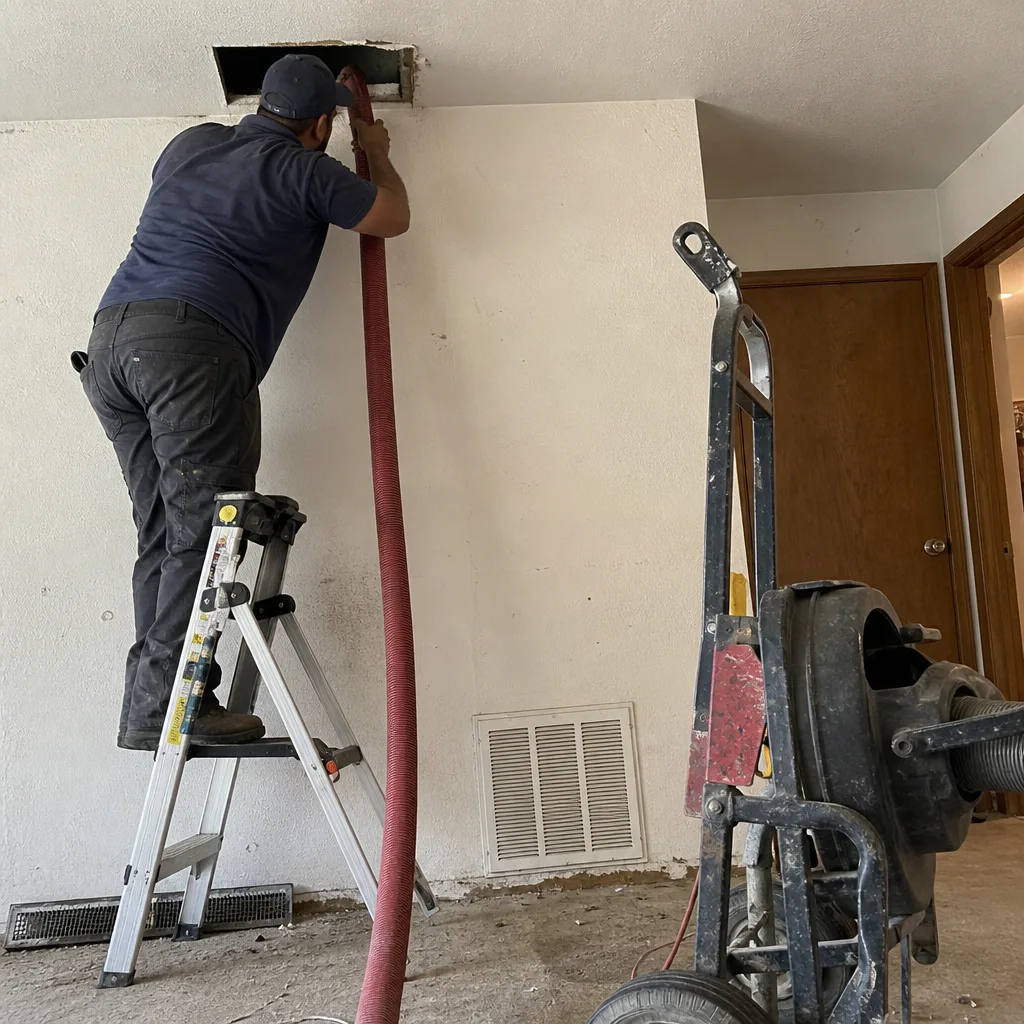 Before
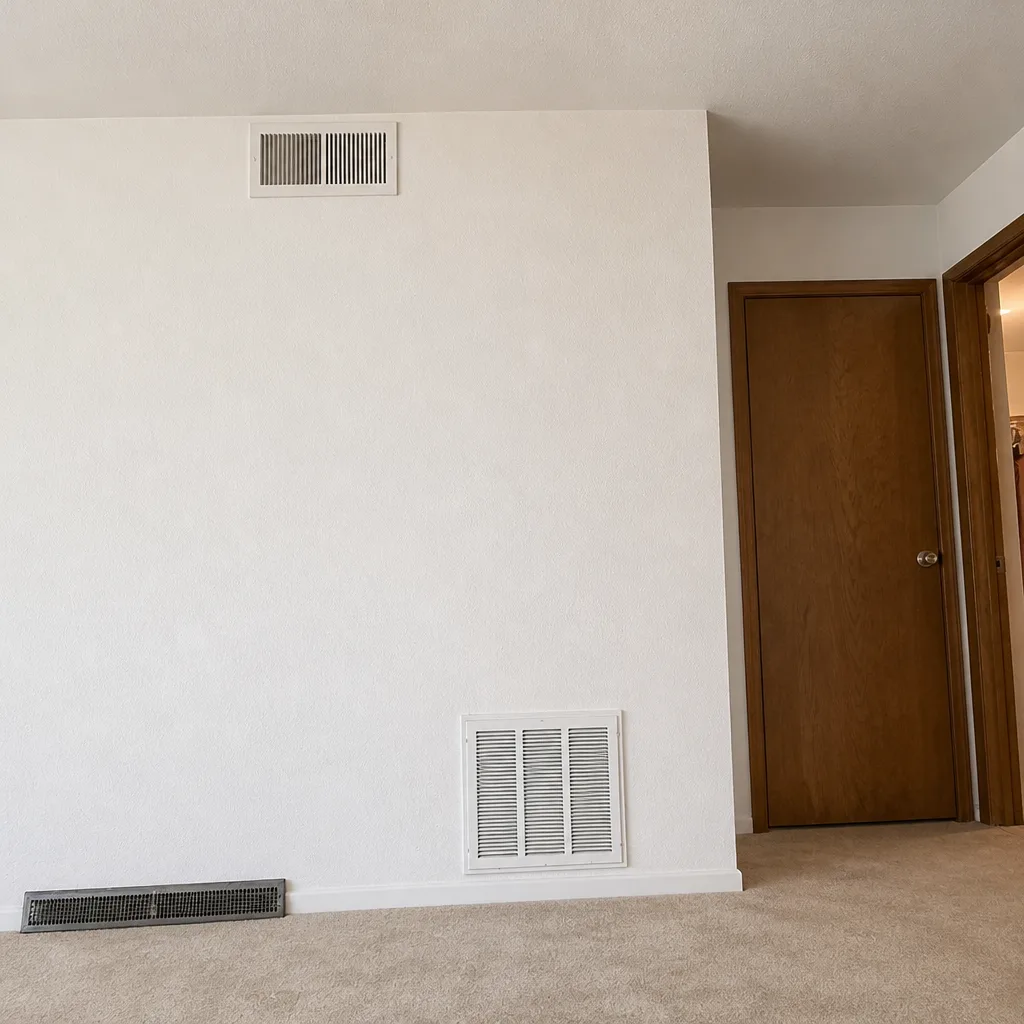 After
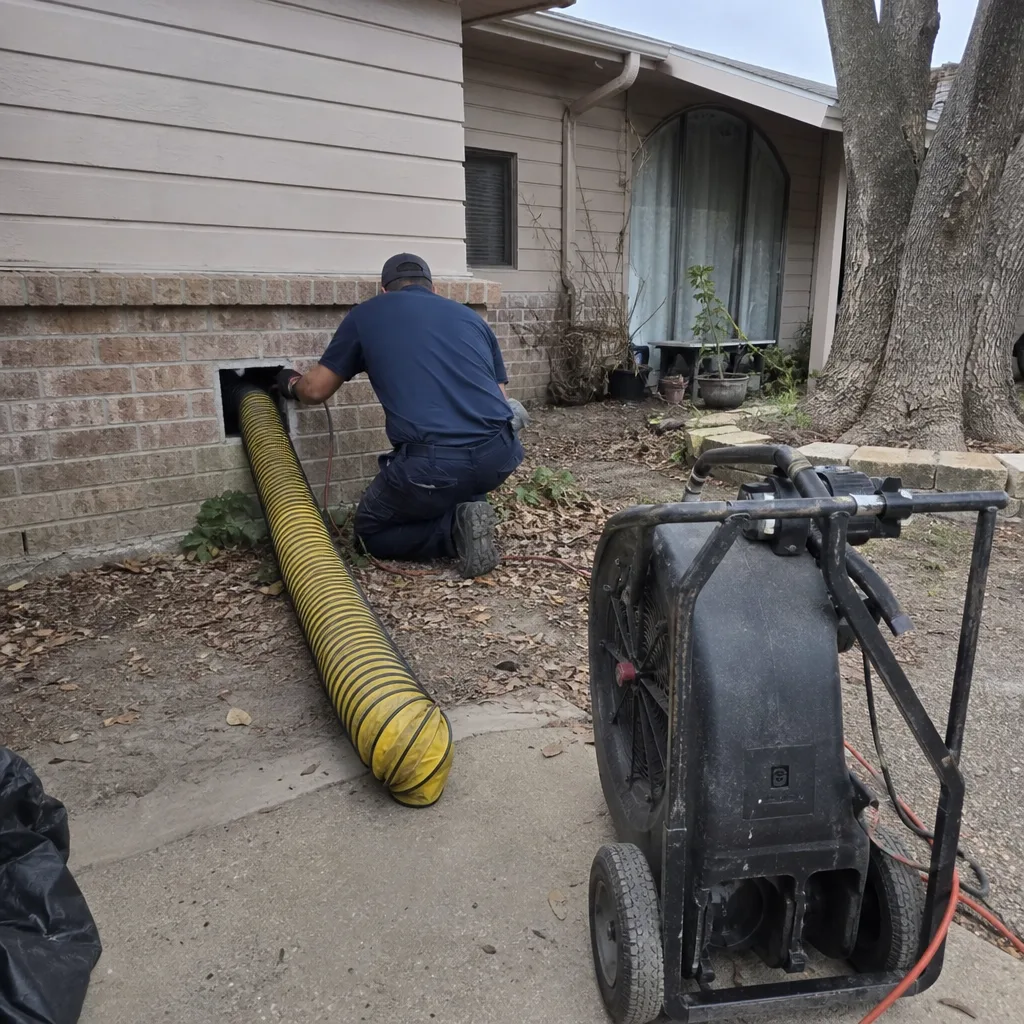 Before
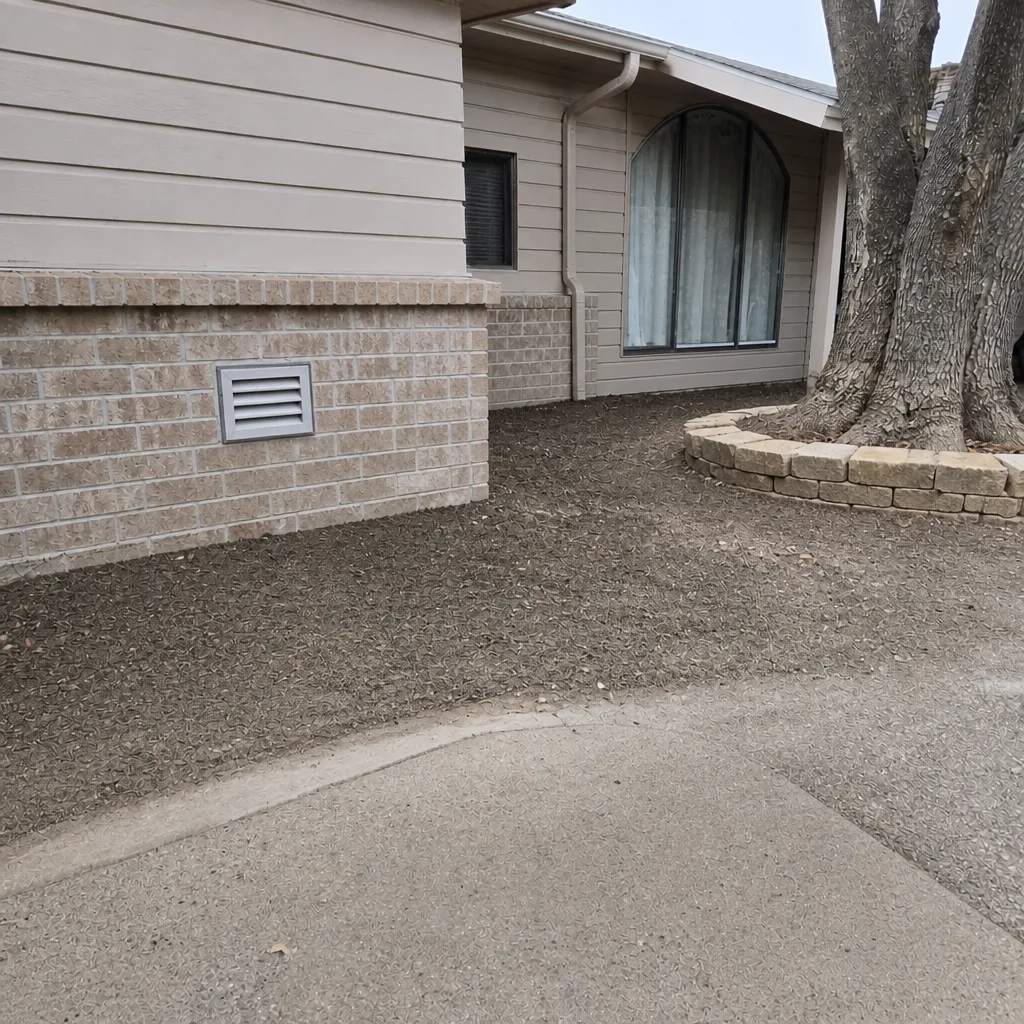 After
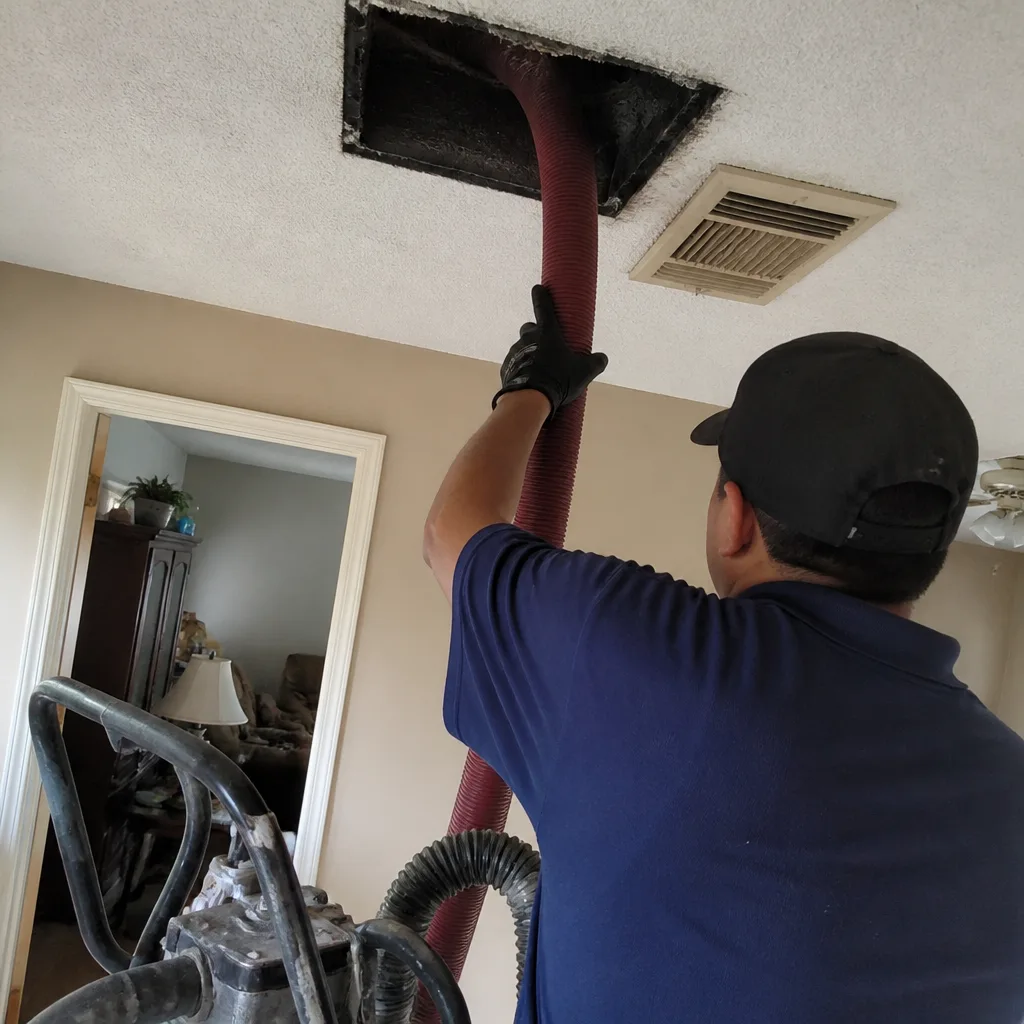 Before
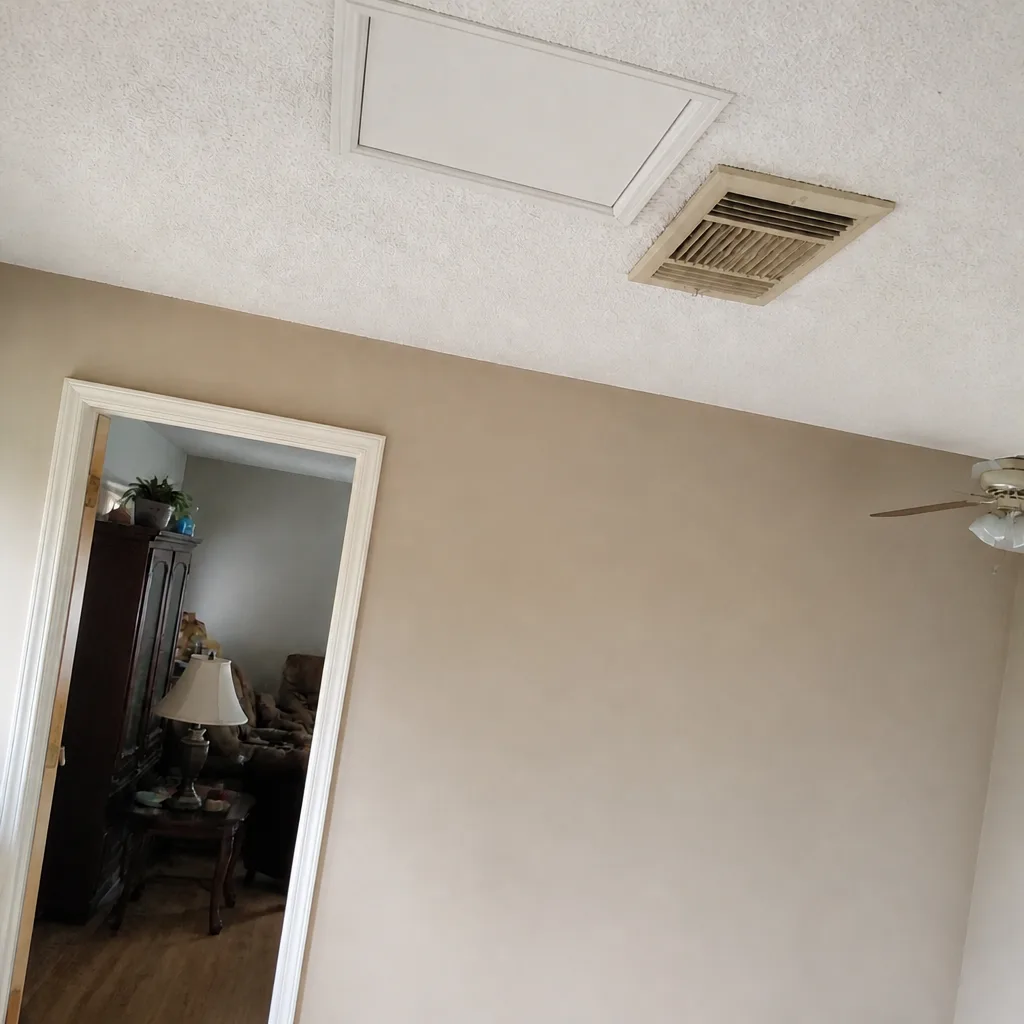 After
When to Call a Professional
You should call a professional when the signs point to a real system issue rather than routine dust. That includes visible dust plumes from registers, musty odors when the system runs, uneven airflow between rooms, allergy symptoms that flare up when the heat or air is running, or a recent renovation that sent debris into the ductwork. It also includes any case where the ducts might be leaking or the liners might be failing. Those conditions need inspection and often repair, not a cleaning pass. And if the dryer is taking longer to dry clothes, the vent needs professional attention too. Duct Cleaning Mesquite offers free estimates in Mesquite – call (855) 360-8359. We answer 24/7. Fast dispatch from 7am to 7pm, Sunday through Friday.
Frequently Asked Questions
Pricing depends on the size of the system, the number of accessible runs, whether repair is needed, and the level of contamination. Because we set one flat price per system and confirm it with a written estimate before work starts, you’ll know the cost up front – no per-vent pricing and no surprises when the technician is on site. Call (855) 360-8359 for a free estimate.
For most homes in this area, an inspection every two to three years is the right rhythm, and cleaning happens when the inspection shows it’s needed. Clay soil, humidity swings, and spring pollen accelerate buildup faster than national averages suggest, so a longer interval can let problems grow. Homes with pets, remodeling, or allergy complaints usually need the shorter end of that range.
The cheaper quote is usually surface-pass cleaning, which wipes visible areas but leaves the contamination layer on the duct walls. Source-removal cleaning – the NADCA standard – extracts debris from the system under negative pressure and documents the result with before-and-after photos of your own ducts. A lower price on a different service isn’t really a lower price. Call (855) 360-8359 for an exact quote.
Often the low price is a per-vent teaser that doesn’t include the plenum, return trunks, or main runs, so the total grows once the technician is on site. Others skip inspection and use entry-level vacuums that can’t move enough air to do the job. We’d rather quote honestly up front and do the whole system. Call (855) 360-8359 to compare – estimates are free.
Ask for before-and-after photos of your own ductwork, from the inside. That’s the direct evidence, and it’s what we provide on every job. Combined with a pre-cleaning inspection and a clear scope, you’ll know exactly what got cleaned, what got repaired, and what was left alone deliberately.
We do both. Duct repair is a standalone bookable service, which is unusual in this industry – most duct cleaning companies don’t offer repair, so a cleaning on damaged ductwork just buys you a few clean months before the leaks bring the dust back. If our inspection finds gaps, liner failures, or disconnected runs, we can address them in the same relationship.
It’s a real fire safety concern. Lint is flammable, and long vent runs in Mesquite homes accumulate it quietly. Dryer vent cleaning is a separate, bookable service here – not an afterthought – with the same equipment discipline as duct cleaning. If your dryer has been taking longer to dry clothes, it’s worth a call.
In many cases, yes. Call and we’ll check availability. We answer 24/7, and dispatch runs from 7am to 7pm, Sunday through Friday. A call outside dispatch hours is booked into the next opening. Call (855) 360-8359 to schedule.
The Bottom Line
Duct cleaning in Mesquite isn’t a one-time checkbox; it’s ongoing management of a system that lives under more stress than most national advice accounts for. The variables are specific: clay-heavy soil that releases fine grit, humidity swings that push debris onto duct walls, spring pollen that overwhelms filters, and attic heat that ages duct materials faster than milder climates do. Add to that the fact that source-removal cleaning and surface-pass cleaning are different services, and the choice becomes clearer. Get an inspection first, ask for before-and-after photos, have damaged ductwork repaired by the same team, and treat the dryer vent as part of the same house. Our technicians have up to 10 years of experience, we use Rotobrush and Nikro systems along with Abatement Technologies equipment on jobs that call for it, and our written estimate sets the price before work starts. Call (855) 360-8359 for a free estimate. We answer 24/7. Fast dispatch from 7am to 7pm, Sunday through Friday.
Written by the team at Duct Cleaning Mesquite.