
Last updated November 15, 2026
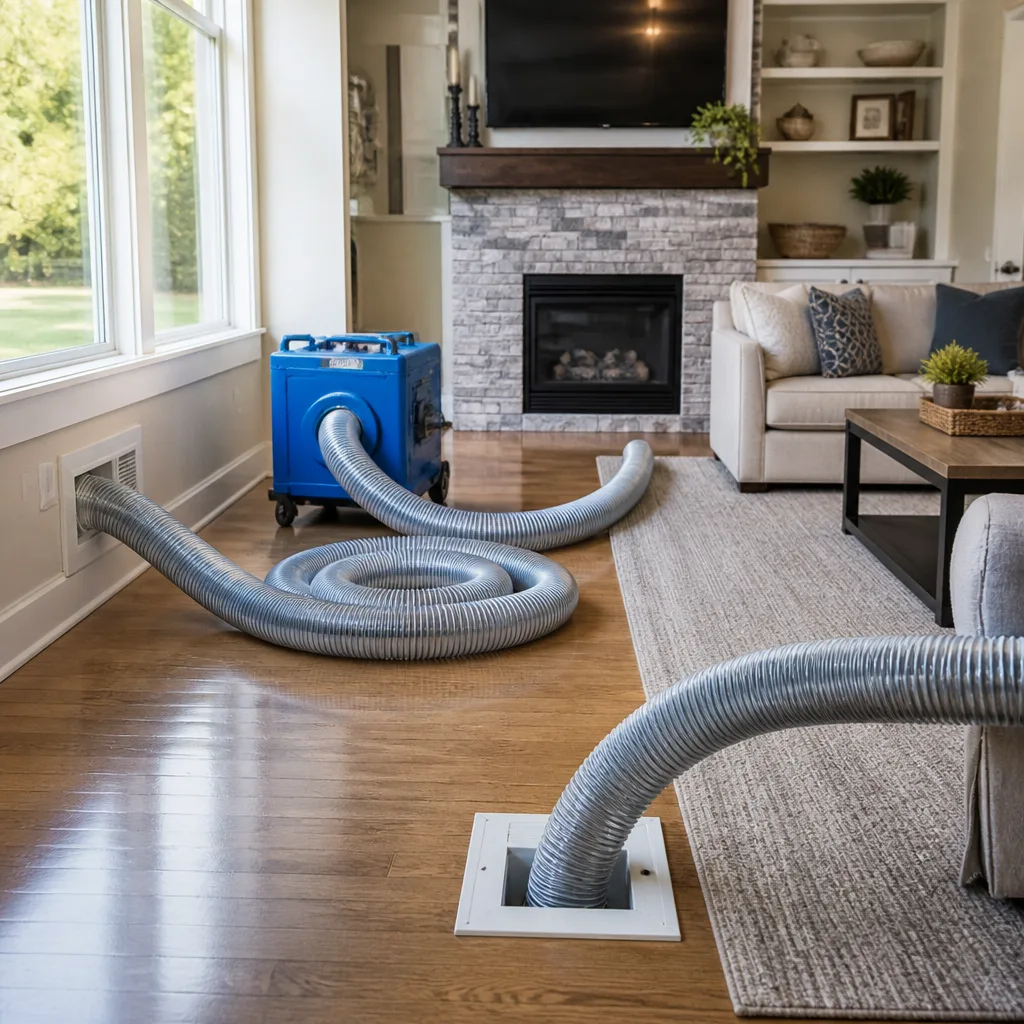 Whole-home duct cleaning
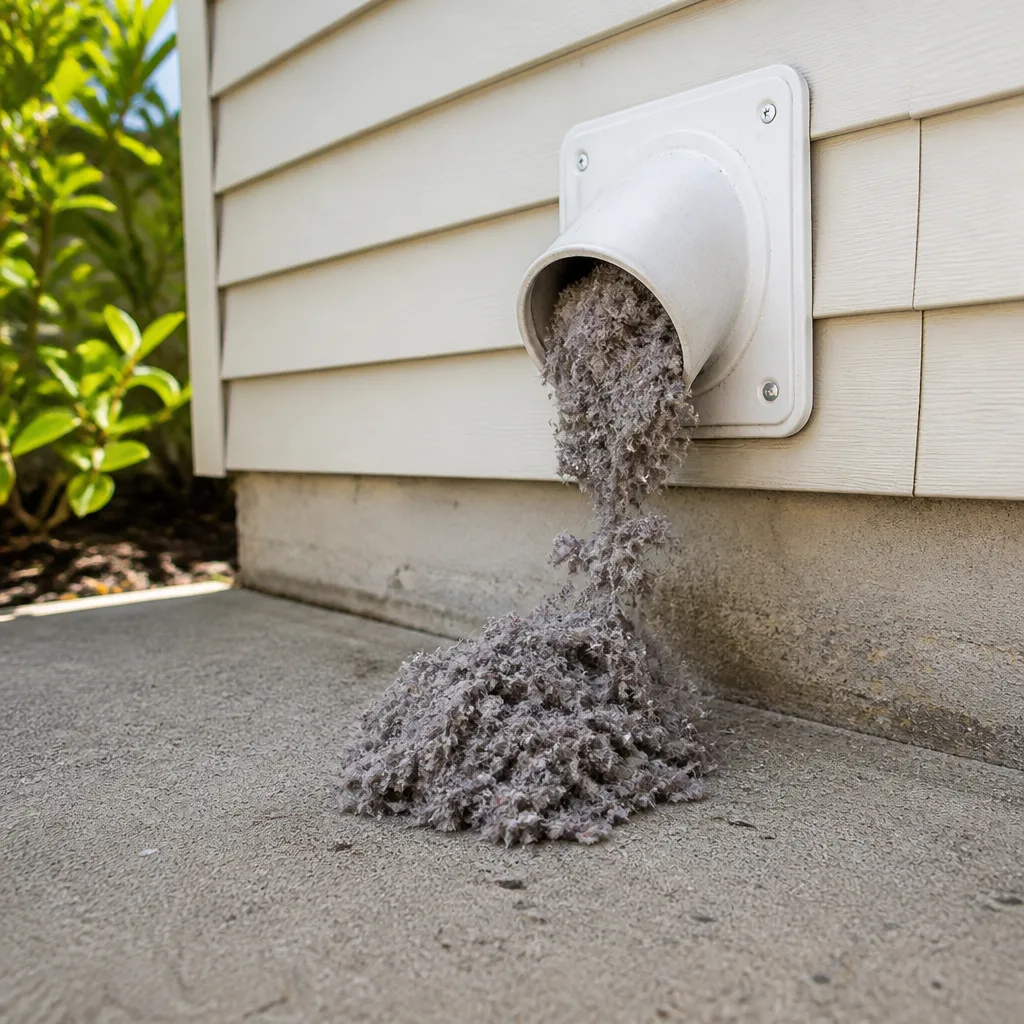 Dryer vent cleaning
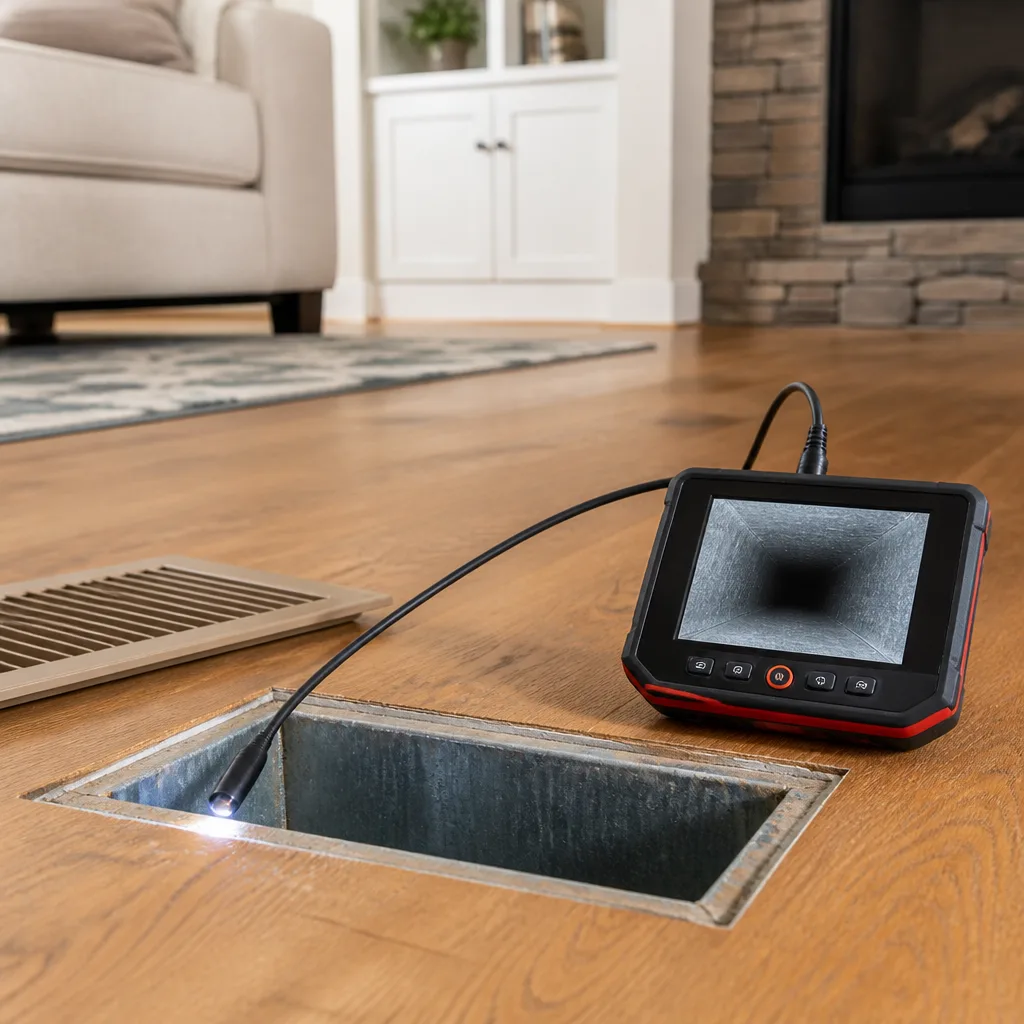 Camera inspection
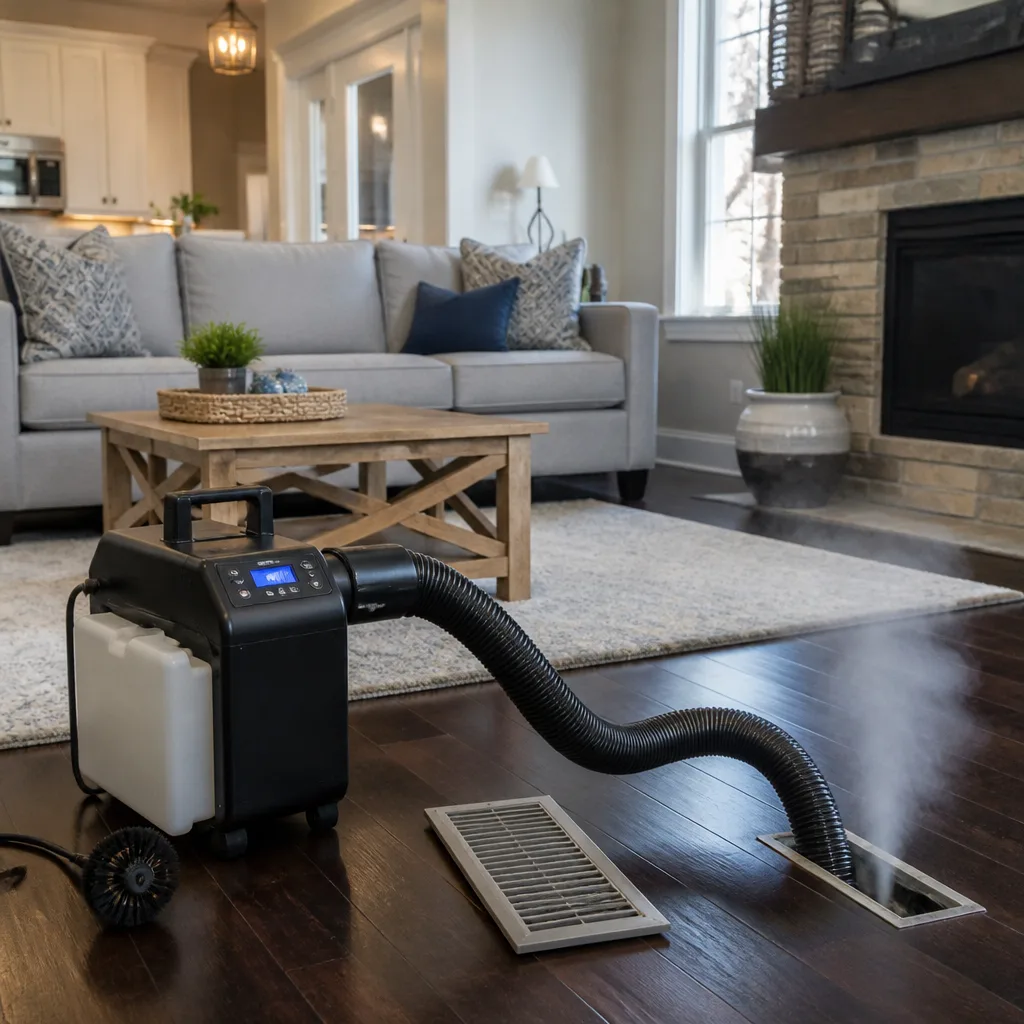 Sanitizing & deodorizing
Whole-system duct and dryer vent check with before-and-after photos - you see exactly what came out of your vents
That "$99 whole-house special" is a bait ad - the real number appears once they are in your hallway, or the "clean" is a shop-vac at the register. We photograph the inside of your ducts before and after instead.
Air Duct Cleaning Permits, Codes & Inspections in Mesquite, TX: What You Need to Know
Most homeowners assume that because duct cleaning is a maintenance service, it exists entirely outside the permit system. That’s correct, until the technician finds a collapsed flex duct run, a disconnected plenum, or a deteriorated trunk line. At that point the job crosses from cleaning into mechanical repair, which is a different regulatory category entirely. In Mesquite, the line between “cleaned” and “modified” has real consequences: permitted work carries inspection sign-offs, unpermitted work follows the house through a sale. This guide explains where that boundary sits in Texas mechanical code, what a Mesquite inspection actually looks like, and the paperwork trail that protects you if duct work ever crosses into permitted territory.
Quick Answer
Air duct cleaning by itself does not require a permit in Mesquite, TX. Duct repair or replacement that involves cutting, sealing a plenum, or re-running ductwork is generally treated as mechanical work under Texas code and typically requires a licensed HVAC contractor working under a City of Mesquite permit with an inspection sign-off. The permit is the dividing line between routine maintenance and an alteration to your home’s mechanical system, and it’s the one piece of paper that matters at resale.
Styles & brands we work with
- Whole-home duct cleaning
- Dryer vent cleaning
- Camera inspection
- Sanitizing & deodorizing
Table of Contents
- Does Air Duct Cleaning Require a Permit in Mesquite?
- When Cleaning Becomes Repair: The Permit Threshold
- What the City of Mesquite Inspection Looks Like
- How to Verify a Contractor Pulled a Permit
- Unpermitted Duct Work and Home Sales in Mesquite
- ASHRAE 62.2 and What It Means for Duct Condition
- The Documentation Trail You Should Keep
- Common Mistakes to Avoid
Does Air Duct Cleaning Require a Permit in Mesquite?
No. Air duct cleaning in Mesquite does not require a permit. Cleaning is classed as maintenance: removing dust, debris, and built-up particulate from an existing duct system changes nothing about how the system is built or how it operates. No mechanical alteration, no permit.
That said, “no permit” is the answer to a narrower question than most people realize. When a technician opens a system to clean it, they inspect as they go. Our technicians work with professional-grade Rotobrush and Nikro equipment that lets us see the condition of runs, joints, and the plenum clearly, and what we find changes the paperwork path for the job. The finds that most often push a Mesquite job past the maintenance threshold:
- A torn, collapsed, or disconnected flex duct run that has to be replaced
- A plenum or trunk line that has separated from the air handler or the register boots
- Duct board that has degraded or grown mold beyond cleaning
- A duct system that needs rerouting because of an addition, a remodel, or a changed air handler location
- New duct sealing or a change to the number of supply or return registers
None of those are cleaning. Each of them is a modification to the mechanical system, and modifications are where permits enter the picture. We repair what others only clean, and because we do repair work as its own service, we see the permit question come up more often than cleaning-only crews do. A homeowner who calls us for air duct cleaning in an older Mesquite home is sometimes surprised to learn the cleaning revealed damage that requires paperwork before it can be fixed properly.
The practical takeaway: cleaning doesn’t need a permit, but it’s the inspection that most reliably turns up what does. If a contractor tells you the answer is always “no permit,” ask them what they do when they find a torn run. The answer tells you whether you’re working with a specialist or a cleaning-only operation.
When Cleaning Becomes Repair: The Permit Threshold
In Texas, mechanical work that alters a home’s duct system is generally treated as regulated work under the state’s mechanical code, adopted locally by the City of Mesquite. Cleaning a duct is not. The threshold is functional: does the work change the duct system’s configuration, capacity, or the way it seals against a mechanical component? If yes, it crosses into permitted territory.
Here’s the breakdown we use when a customer asks the question directly:
- Cleaning only. No permit. Equipment removes dust and debris from the existing system without altering its shape or connections.
- Sealing a loose joint or a small leak in an accessible spot. Usually no permit, because no component is being replaced. Confirm with the contractor whether the sealant is a repair or a new system component.
- Replacing a flex run, rerouting a duct, or replacing a damaged section of the trunk or plenum. Generally a mechanical alteration requiring a licensed HVAC contractor working under a City of Mesquite permit.
- New ducts, register relocation, or any change caused by a remodel. Requires a permit. New duct work always does, regardless of scope.
- Air quality or filtration upgrades that involve changing out a plenum connection or installing a new filter cabinet. Often permitted, because the work changes the mechanical system. This is worth confirming before a Honeywell or Aprilaire upgrade is installed alongside cleaning.
We tell Mesquite homeowners the same thing every time: if the repair changes the duct system, ask for the permit. If the contractor hesitates, that’s your signal. A specialist who handles Mesquite homes regularly knows exactly where the line sits and will answer without hesitation. Sometimes the repair is small enough to stay on the maintenance side; sometimes it isn’t, and the honest answer is “we need a permit before we can do this.”
One more note: the license requirement is not the same as the permit requirement. A licensed HVAC contractor is allowed to pull the permit and perform the work. A cleaning company that has no license can clean ducts but cannot legally alter them. So when a job crosses the threshold, the first question isn’t “do I need a permit” – it’s “is the person I’ve hired allowed to pull one.”
What the City of Mesquite Inspection Looks Like
When duct repair or replacement is done under permit, the work is inspected by the City of Mesquite’s building department before it can be signed off. The inspection is not a full re-diagnosis of the system: it’s a check that the permitted scope was completed to code. In practice, here’s the sequence most Mesquite homeowners experience:
- Permit is pulled before work begins. The permit application lists the scope of the repair (replacing a run, sealing a plenum, rerouting a trunk). This is the step unpermitted work skips.
- Rough-in inspection while the system is open. The inspector may check duct connections, sealing at the plenum and boots, and that the work matches the permitted scope. If the system is sealed before inspection, expect a re-inspection.
- Final inspection and sign-off. The inspector confirms the work is complete and matches the permit. The signed inspection card is your record.
- Closeout. The permit is closed and the sign-off is filed with the city. That filing is what makes the work discoverable later at resale.
The predictable friction points are timing (rough-in inspection must happen before the system is sealed) and scope (if the contractor finds a bigger problem mid-job and repairs it without amending the permit, the final inspection can fail on scope). Those are jobs where we sometimes need to slow down, or invite an inspector back out, because doing it right matters more than finishing the same day. Our technicians have up to 10 years of experience with duct systems in Mesquite, which means we’ve seen how the process runs and know what to expect on a routine repair.
One honest caveat: not every duct repair crosses into permitted territory, and the exact line can vary case by case. We always recommend confirming with the City of Mesquite building department before work begins if there’s any doubt. A phone call to the city is cheaper and faster than discovering at resale that a permit was needed.
How to Verify a Contractor Pulled a Permit
Pulling a permit is one thing. Being able to prove it is another. Most homeowners discover the difference too late, usually during a home sale when a title company asks for the permit record and none exists. Here’s how to verify a permit before the work starts, not after:
- Ask for the permit number in writing before work begins. A licensed contractor who has pulled a permit has a number. If they say “we’ll get it on file later,” that’s a red flag.
- Verify the permit with the City of Mesquite building department. Call the city, give the address, and ask whether a permit is open for the property. The city can confirm scope and status.
- Verify the contractor’s HVAC license. Texas licenses HVAC contractors through the state. Ask for the license number and check it against the state registry before the technician arrives.
- Check insurance. A licensed contractor should carry general liability and workers’ comp. Ask for the certificate of insurance, not just a verbal confirmation.
- Get the inspection sign-off on the day of final inspection. Photograph or copy the signed card so it’s in your file while the paperwork is easy to find.
We mention permit verification in every conversation with a homeowner who is contemplating duct repair, not just cleaning. It’s a small step that decides whether a future sale goes smoothly. If you’re comparing contractors, treat “can you show me the permit number” as a screening question, not just a detail. A company that’s allowed to pull permits can answer instantly.
The same discipline applies to dryer vent cleaning, though the permit question is different there. Dryer vents don’t typically require a permit for cleaning or routine maintenance, but a vent relocation or a change to the venting run can require one because it changes the appliance’s exhaust path. We mention it because homeowners often assume “dryer vent” means “no rules,” and that’s not always the case when the work is more than cleaning.
Unpermitted Duct Work and Home Sales in Mesquite
Unpermitted duct work is usually discovered at resale, and it’s rarely discovered by the seller first. The sequence goes like this: the buyer’s inspector notes duct work that appears recent or nonstandard, the buyer’s agent asks for permits, and the seller has no record. The buyer’s lender treats the unpermitted work as an open item until it’s resolved. Depending on what the work is, the resolution typically involves one of the following:
- Late permit and retroactive inspection. The city permits the work after the fact, inspects it, and signs off. This is possible but not guaranteed, and it depends on the scope and condition of the work.
- Tear-out and redo. The unpermitted work is removed and redone under permit. For duct work, this can mean opening a system that was just sealed, which is expensive.
- Buyer credit or price reduction. The sale closes but the seller credits the buyer for the cost of resolution. The credit is often larger than the original work would have cost with a permit.
- Deal falling through. A buyer facing open items on a mechanical system sometimes walks rather than negotiate. This is the costliest outcome for everyone.
We hear about this pattern from Mesquite homeowners repeatedly, and it’s the reason we push the point every time a repair crosses the permit threshold. The permit is not a bureaucratic inconvenience; it’s a record. The absence of a record is what creates problems years later, and the wrong time to discover it is during a title search.
The climate angle matters here too. Mesquite’s summers push every home’s HVAC system hard, which means duct damage tends to be found during the cooling season rather than the heating season. A homeowner who calls in the middle of summer for duct cleaning services is often dealing with a system that’s been worked longer and harder than a winter inspection would reveal. That’s exactly when the repair question comes up, and exactly when the permit question should be asked.
ASHRAE 62.2 and What It Means for Duct Condition
ASHRAE 62.2 is the residential ventilation and indoor air quality standard, and inspectors and contractors reference it when they’re evaluating whether a home’s ventilation and duct system are performing as intended. In practical terms, the standard asks two things of a duct system: that it delivers the intended outdoor air exchange where the home requires it, and that it doesn’t unduly leak, restrict, or introduce contaminants into the occupied space.
You don’t need to know the details of ASHRAE 62.2 to own a home in Mesquite, but understanding the general shape of it is useful:
- Ventilation is a code concern, not a luxury. Homes are tighter than they were decades ago, so the standard pushes contractors to think about how the home gets fresh air – not just how it gets conditioned air.
- Duct leakage counts. A leaking duct system is a ventilation problem: conditioned air escapes into the attic or crawlspace, unconditioned air gets pulled in, and the system runs harder. When duct work is inspected, leakage at joints, the plenum, and register boots is one of the things an inspector looks at.
- Filter and filtration upgrades connect to the standard. Upgrading to a higher-MERV filter or a whole-home purification system (Honeywell and Aprilaire are the brands we work with most often) changes the ventilation and filtration picture. That’s one reason these upgrades are worth discussing with a contractor who understands the standard, not just the product catalog.
- Duct sealing is one of the most direct fixes. When ASHRAE 62.2 is the benchmark, sealing leaks is a way to bring a system closer to spec without replacing it. But sealing that changes air exchange can interact with ventilation requirements – one more reason a permitted, licensed contractor should be handling it.
We reference ASHRAE 62.2 in the field because it’s what inspectors reference, and it gives every conversation a shared baseline. When we use Abatement Technologies equipment on a job with contaminant or particulate concerns, the standard is the frame we’re working to: get the system clean, keep it sealed, and make sure the ventilation isn’t compromised by the cleaning or repair itself.
The Documentation Trail You Should Keep
If your duct work crosses into permitted territory, keep a file. The file doesn’t need to be more than a folder and a few saved photos, and it pays back the first time anyone asks about the work. Here’s what belongs in it:
- The permit number and the date it was pulled. A screenshot of the city record works.
- The contractor’s HVAC license number and insurance certificate. Verify both before the work, then file the paperwork.
- Photos of the work before and after. Photos of the duct work itself are one of the strongest proofs that a repair happened and what it addressed.
- Rough-in and final inspection sign-offs. The city inspector’s signed card.
- The mechanical scope of work. A short paragraph from the contractor describing what was done, whether the system was sealed, and whether any duct was rerouted or replaced.
- A copy of the equipment used, when relevant. For an air quality upgrade, the model of filter or purification unit matters for future service.
The file is also useful for the everyday stuff – an HVAC company doing future service, a home inspector, or a contractor quoting new work all benefit from knowing what was done and when. Our policy is to hand the homeowner a full documentation packet at the end of any job where duct work was more than cleaning. We do that because we’ve seen how much it helps them later. Whether the work was permitted or not, having the record makes future decisions easier.
Keep the file with the home’s other mechanical records (the HVAC install, the water heater, the appliance manuals). When a Mesquite homeowner sells, a single folder with the system’s history is one of the easiest ways to move past the “unpermitted work” question – because there’s nothing to hide.
Common Mistakes to Avoid
- Assuming cleaning and repair follow the same rules. Cleaning doesn’t need a permit, but repair likely does. The mistake is treating “no permit for cleaning” as a blanket statement. Ask specifically about each step of the job.
- Hiring a cleaning-only company for repair work. A company without an HVAC license can’t legally pull a permit or alter a duct system. Once the technician finds damage you’re hiring twice – once for the cleaning and once for a licensed contractor. This is how Mesquite homeowners end up with a second invoice.
- Not checking the permit before the work begins. Calling the City of Mesquite building department to verify is fast and free. Doing it after the fact means you’re arguing about paperwork, not preventing the problem.
- Letting the system get sealed before inspection. If the repair was permitted, the rough-in inspection has to happen before the duct work is closed up. A contractor who seals first and asks questions later is creating a re-inspection.
- Ignoring the ASHRAE 62.2 picture. Sealing leaks without thinking about ventilation can push a home away from the standard instead of toward it. Ask about the ventilation implications of any duct sealing.
- Skipping documentation at the end of the job. The permit number, license number, and photos are easy to collect on the day of the job and painful to reconstruct years later. File them immediately.
- Assuming a dryer vent is out of scope for the same questions. Dryer vent cleaning usually doesn’t require a permit, but a relocation or a change to the vent run can. Homeowners who ask the question once for the duct work usually want to ask it here, too.
See the difference
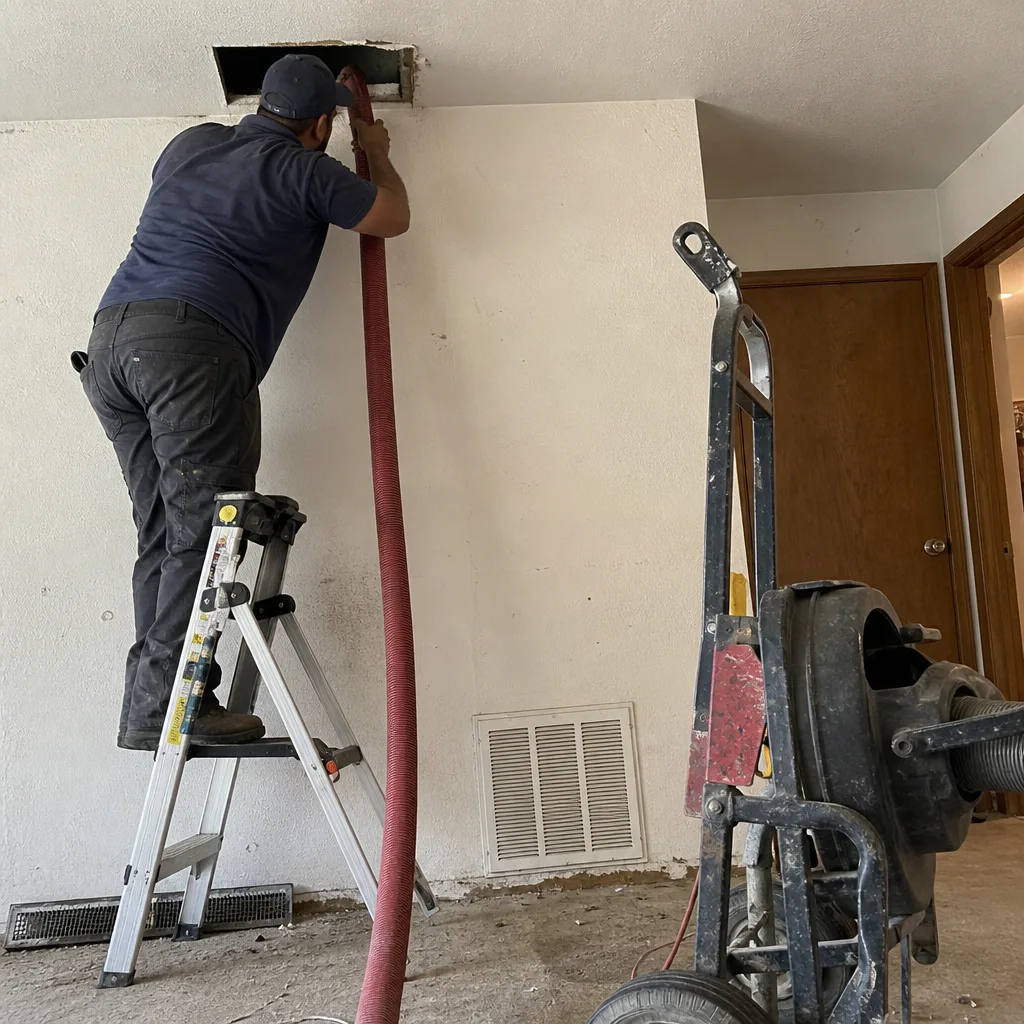 Before
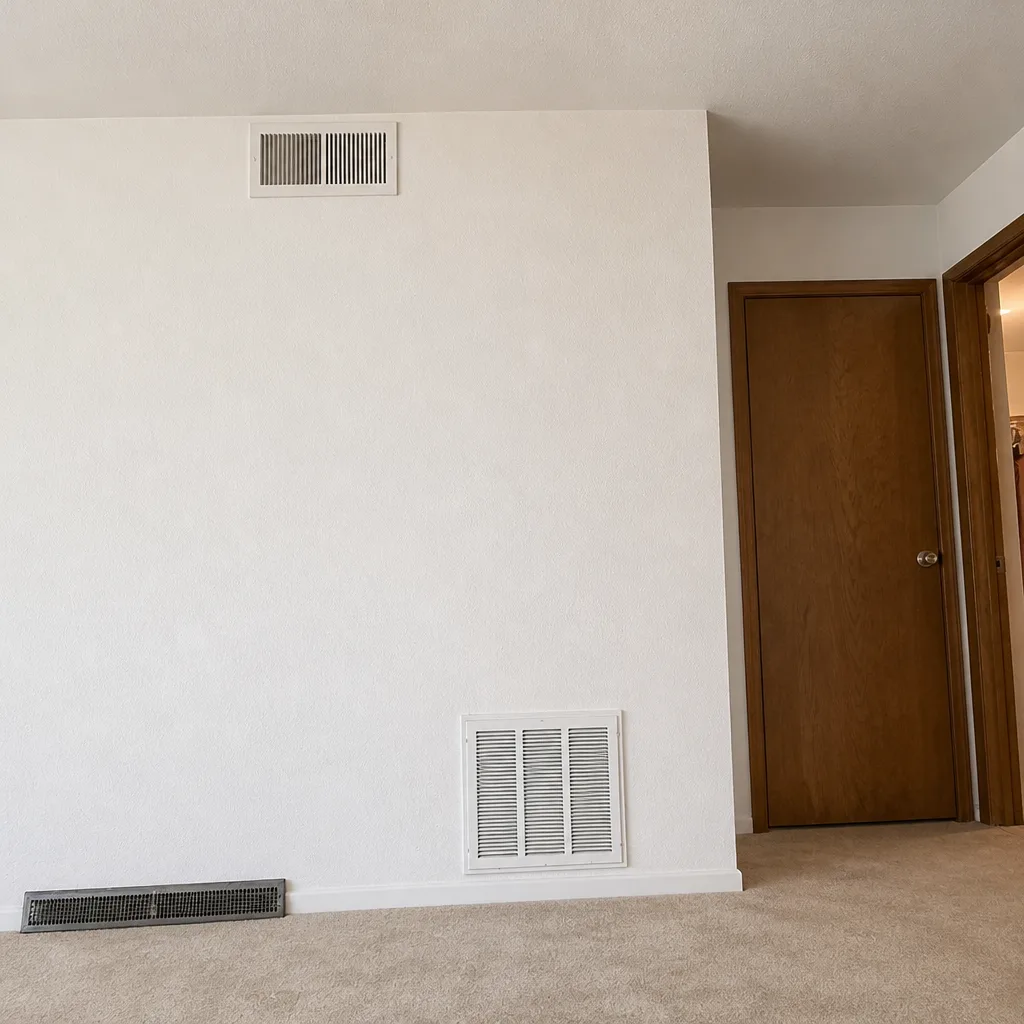 After
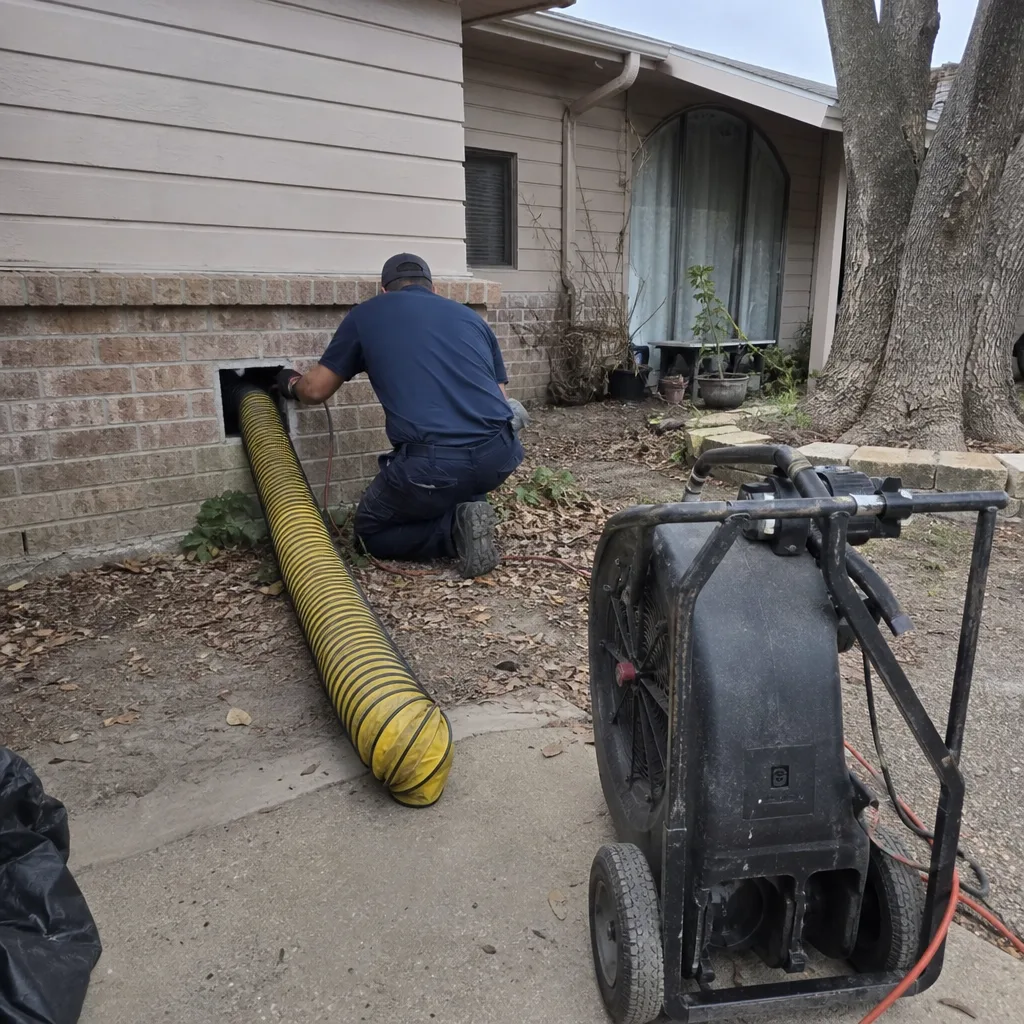 Before
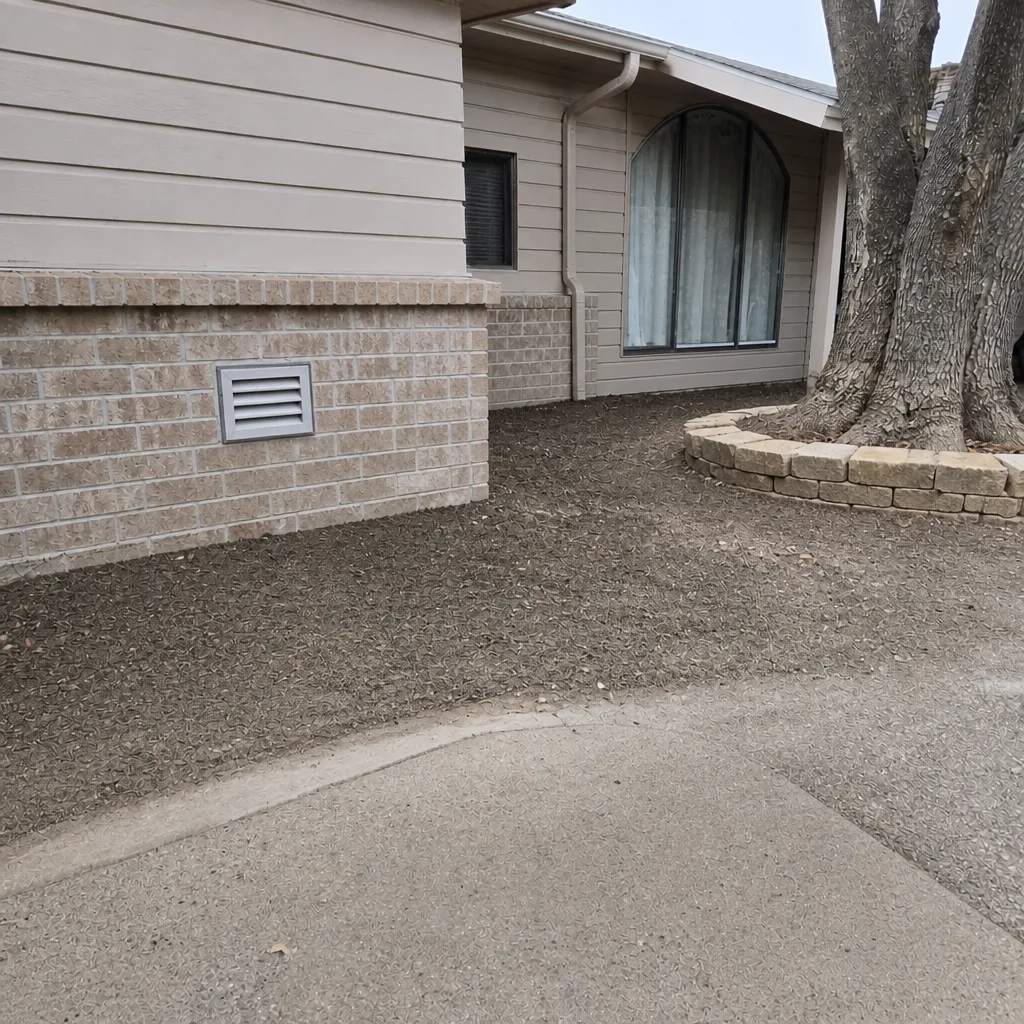 After
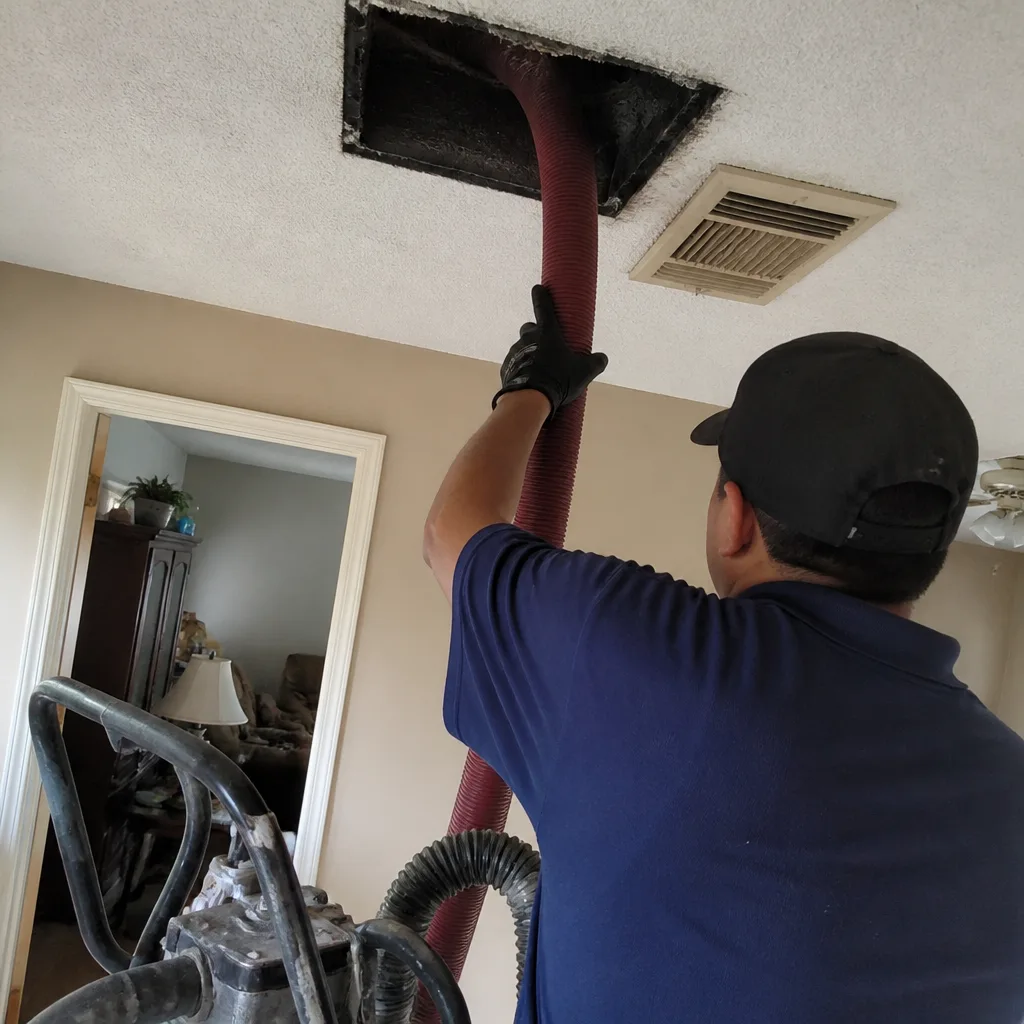 Before
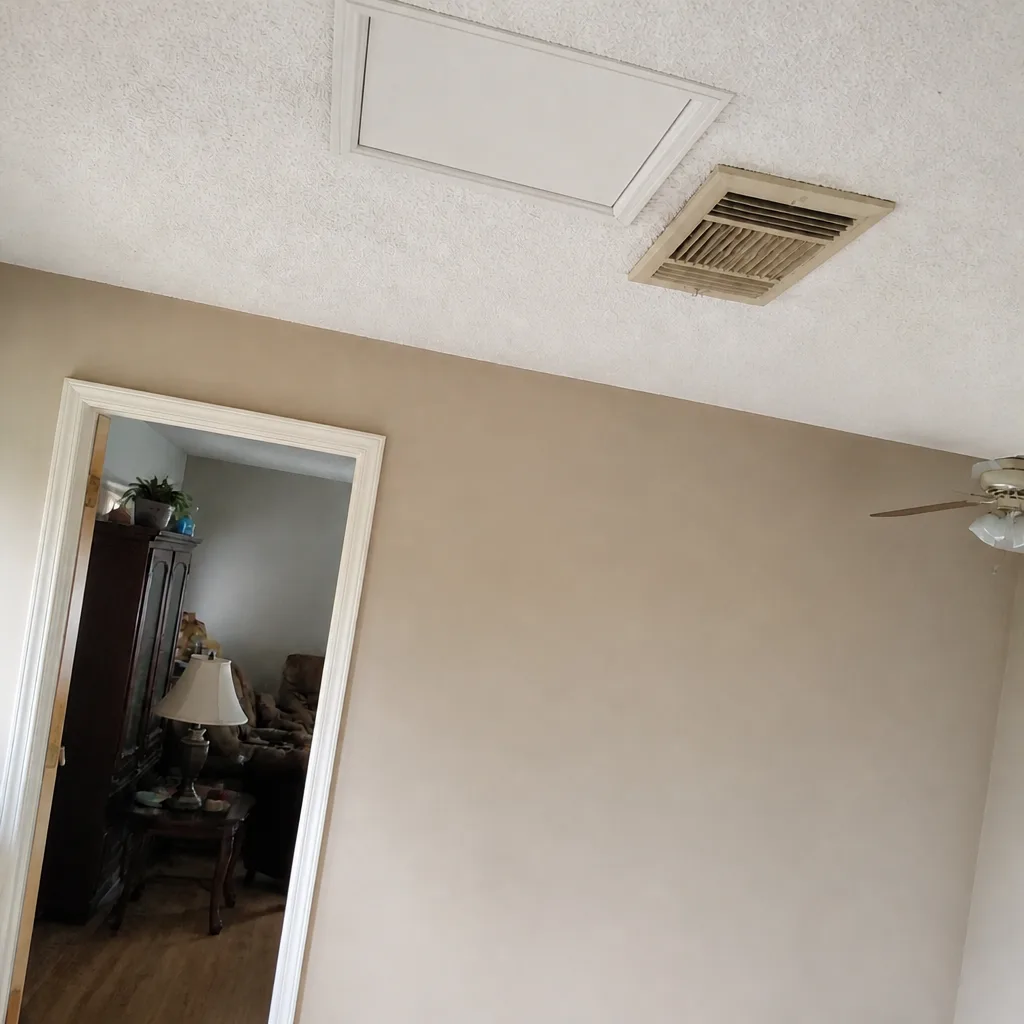 After
When to Call a Professional
If your ducts are showing visible damage – a torn flex run, a disconnected plenum, a sagging trunk – don’t wait for a sale to prompt the conversation. Call a licensed professional before the system gets sealed, and confirm whether the work crosses into permitted territory. If your HVAC contractor has done duct work and you aren’t sure a permit was pulled, call the City of Mesquite building department and check. If you’re preparing to sell in Mesquite and you’ve had duct repair, gather the paperwork now so it isn’t a scramble later. Duct Cleaning Mesquite offers free estimates in Mesquite – call (855) 360-8359. We answer 24/7. Fast dispatch from 7am to 7pm, Sunday through Friday.
Frequently Asked Questions
No. Air duct cleaning in Mesquite is maintenance and doesn’t require a permit. If the technician finds a duct that needs repair or replacement, the work crosses into mechanical territory and generally will need a permit and a licensed HVAC contractor. Call (855) 360-8359 for an exact quote – estimates are free.
Usually yes, when the repair changes the duct system – replacing a run, rerouting a trunk, or resealing a plenum. Minor resealing of an accessible joint sometimes stays on the maintenance side. The City of Mesquite building department can confirm the answer for your specific scope before work starts. Call (855) 360-8359 with the scope and we can walk through it.
The buyer typically asks for the permit record, and the seller usually has none. The resolution usually involves either a late permit and retroactive inspection, a redo of the work, or a buyer credit. All three outcomes are more expensive than having permitted the work up front. Call (855) 360-8359 if you’re in this situation and want to talk through options.
Ask for the permit number in writing before work begins, then call the City of Mesquite building department to confirm a permit is open for the property. Also verify the contractor’s HVAC license through the state and ask for the insurance certificate. A licensed contractor will answer immediately; a cleaning company without an HVAC license cannot pull the permit at all.
It matters when the home’s ventilation and duct condition are being evaluated, especially during permitted duct work inspections. The standard sets the benchmark for how much fresh air a home should get and how tightly the duct system should perform. If you’re considering duct sealing or an air quality upgrade, ask the contractor how the work interacts with the standard. Call (855) 360-8359 with questions about your system.
Cleaning usually doesn’t need a permit. Relocating the vent or changing the vent run can, because it alters the appliance’s exhaust path. If the work is more than cleaning, ask before the work starts. Call (855) 360-8359 to book dryer vent cleaning or ask about the scope of a relocation.
The Bottom Line
Air duct cleaning in Mesquite doesn’t require a permit, and that fact is often mistaken for a rule about all duct work. It isn’t. The moment a cleaning finds a torn run, a disconnected plenum, or a deteriorated trunk, the job crosses into mechanical repair territory, and that work needs a licensed HVAC contractor operating under a City of Mesquite permit with inspection sign-off. When the work is permitted, the paperwork protects the homeowner: the permit number, license verification, inspection card, and photos are the record that makes a future sale clean. When the work isn’t permitted, that missing record is what surfaces years later. If you’re not sure which side of the line a job is on, ask the contractor for the permit number before anything starts, and confirm with the city.
If you’re ready to schedule air duct cleaning or want an honest look at the condition of your ducts, call Duct Cleaning Mesquite at (855) 360-8359 for a free estimate. We answer 24/7. Fast dispatch from 7am to 7pm, Sunday through Friday.
Written by the team at Duct Cleaning Mesquite.