
Last updated November 15, 2026
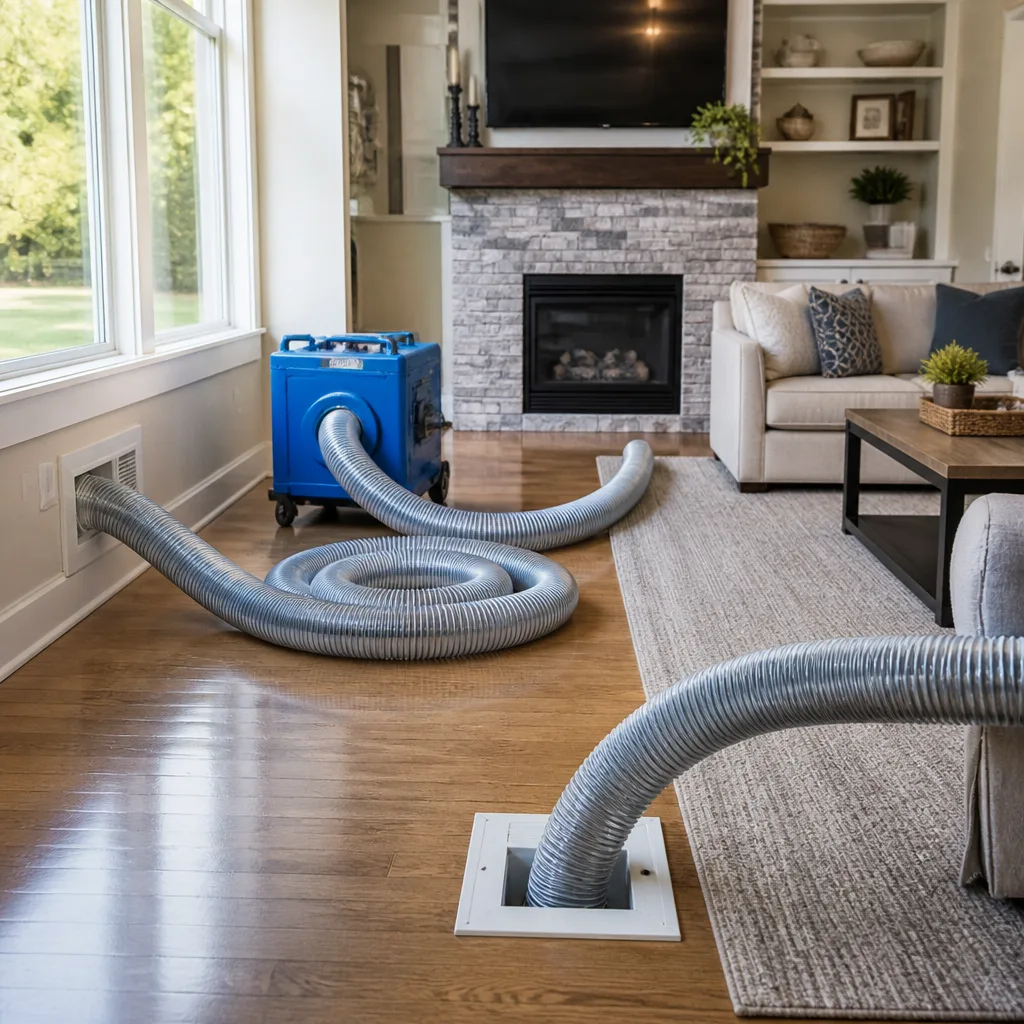 Whole-home duct cleaning
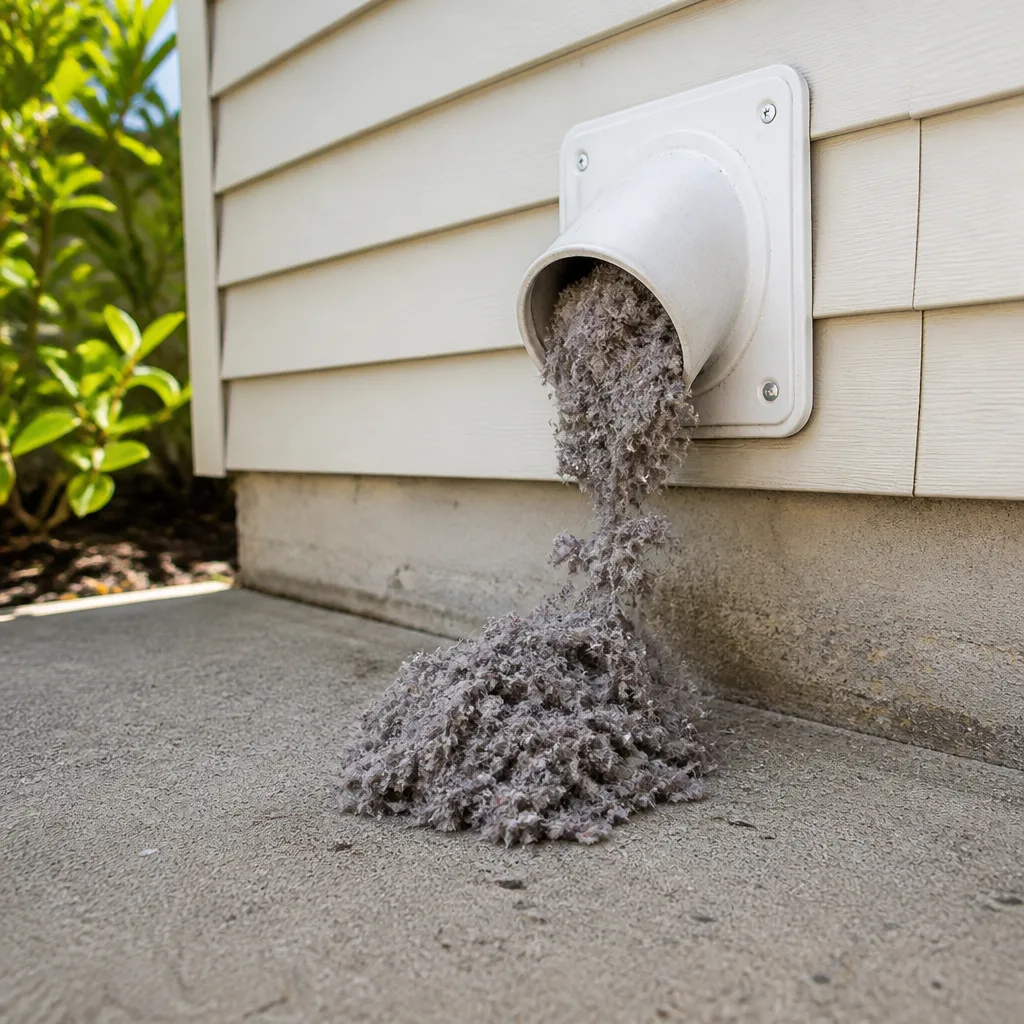 Dryer vent cleaning
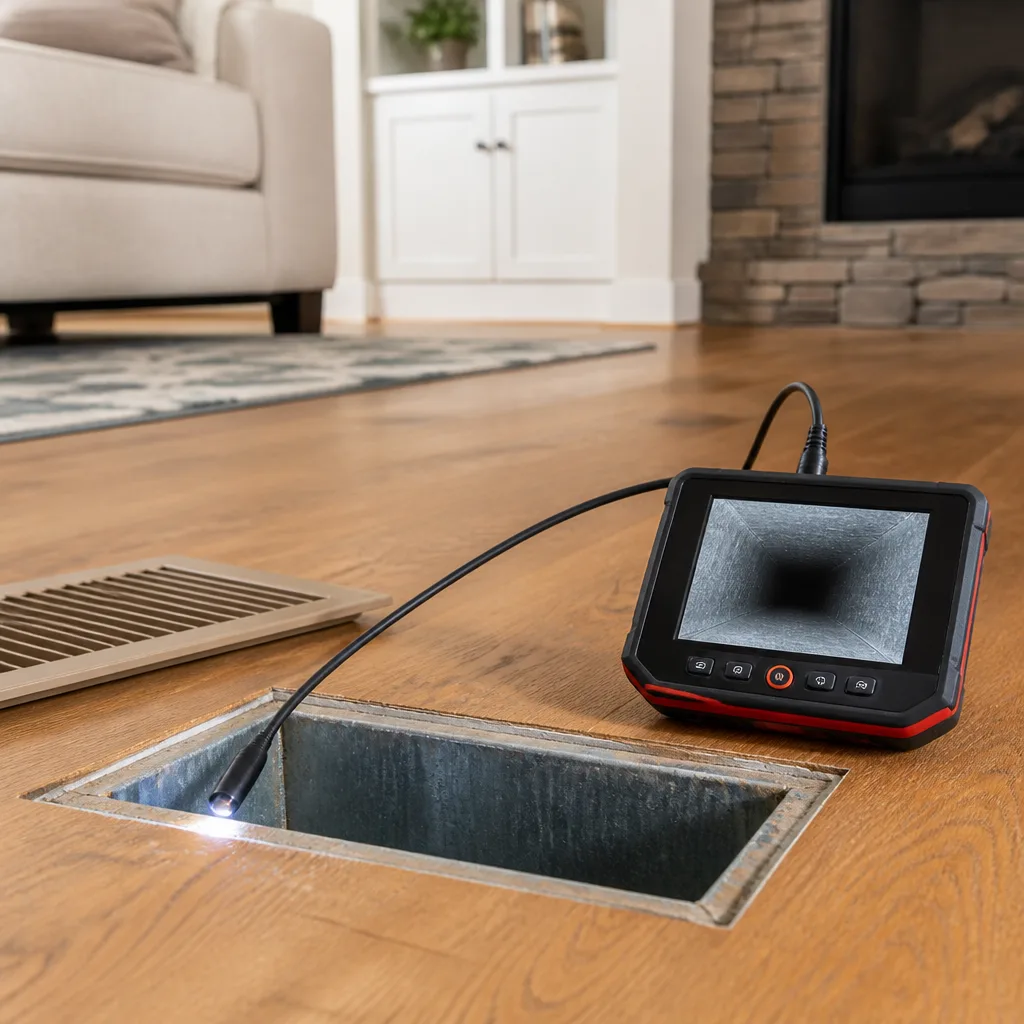 Camera inspection
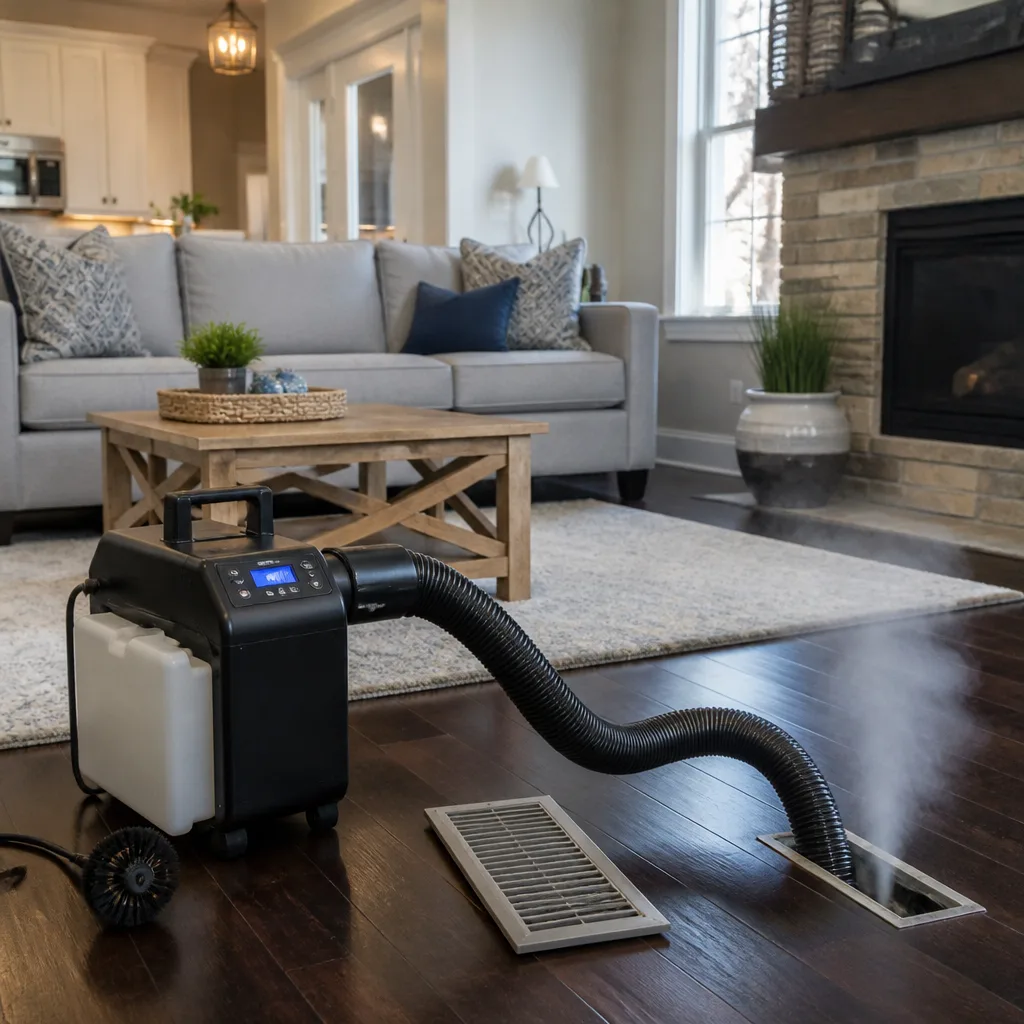 Sanitizing & deodorizing
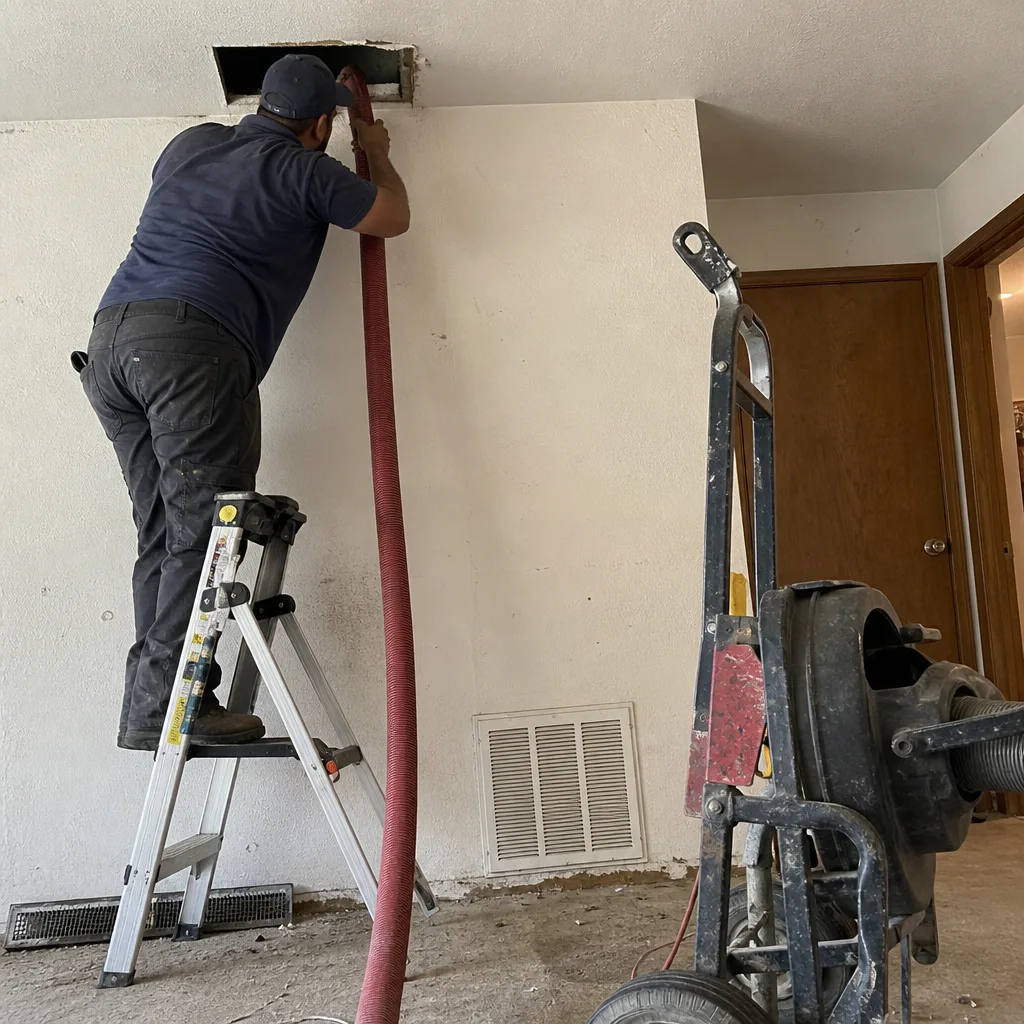
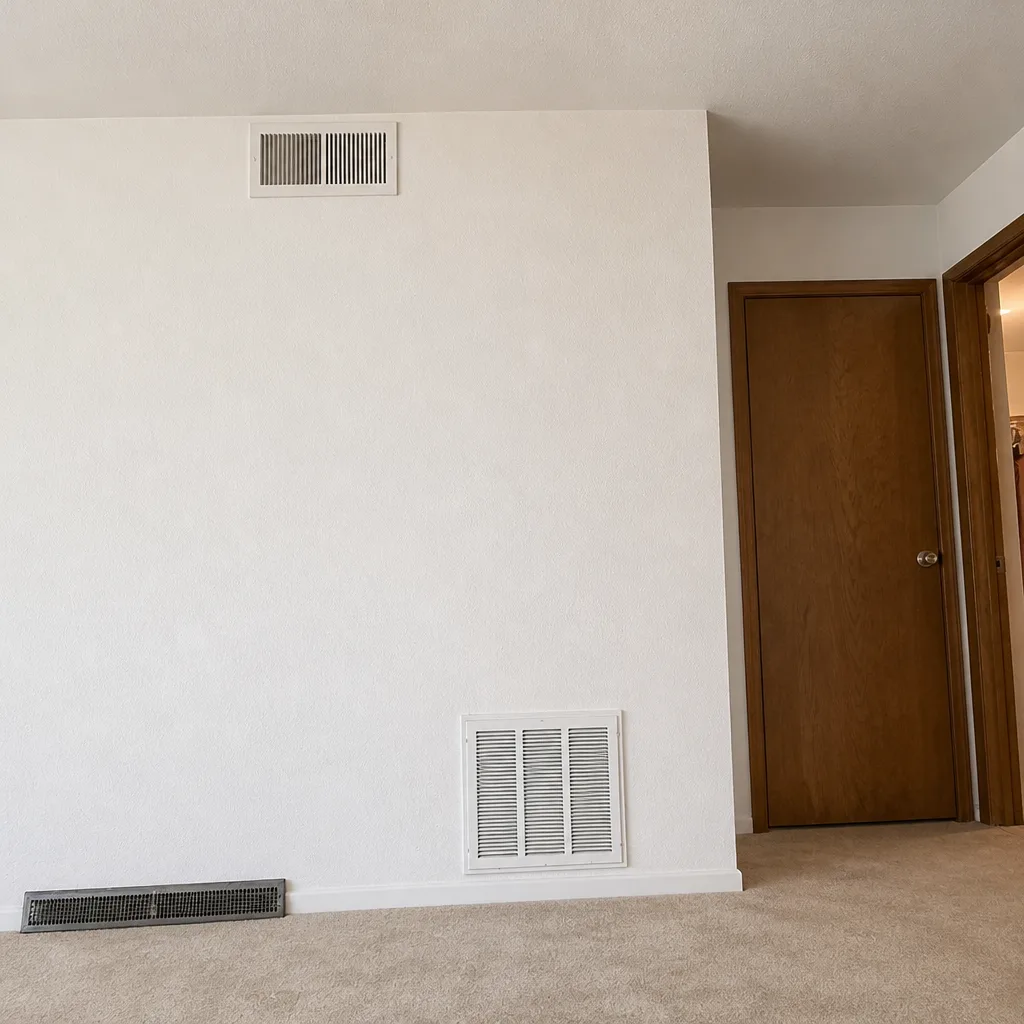
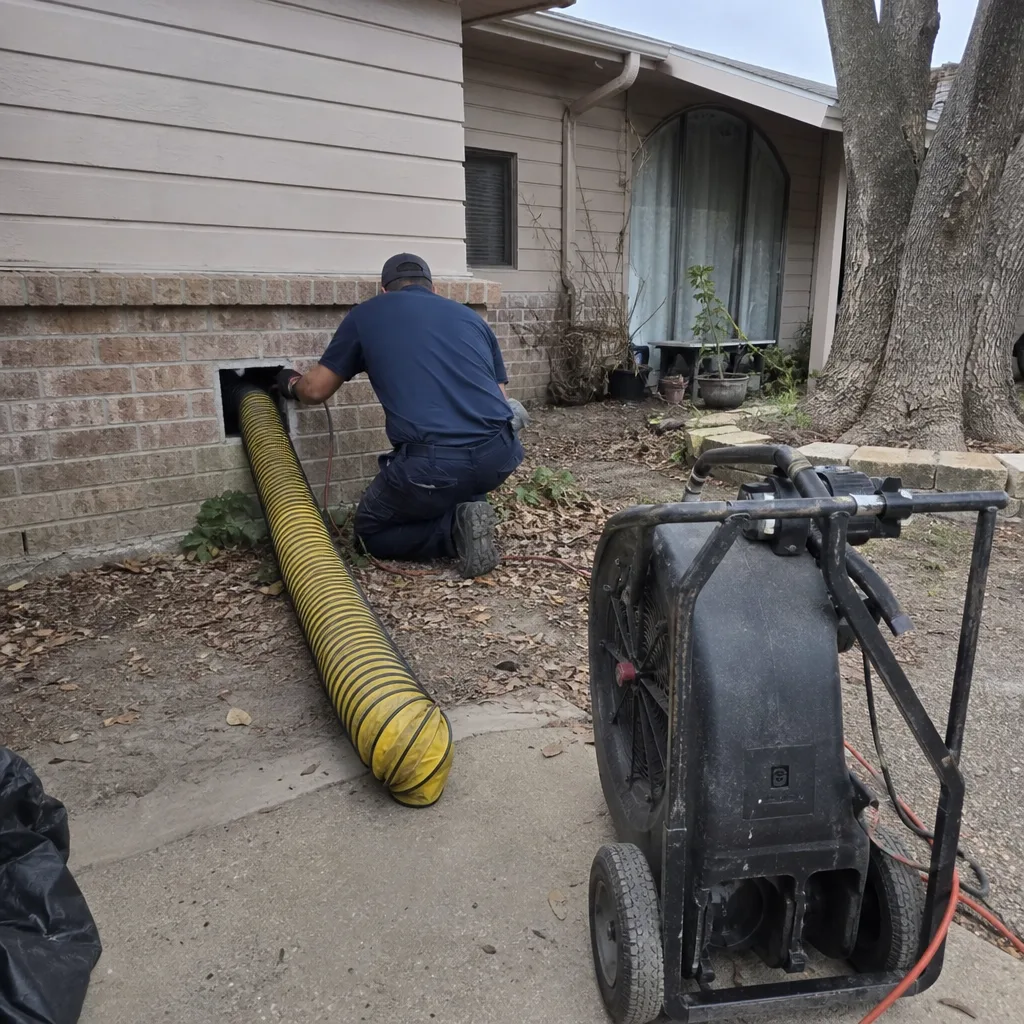
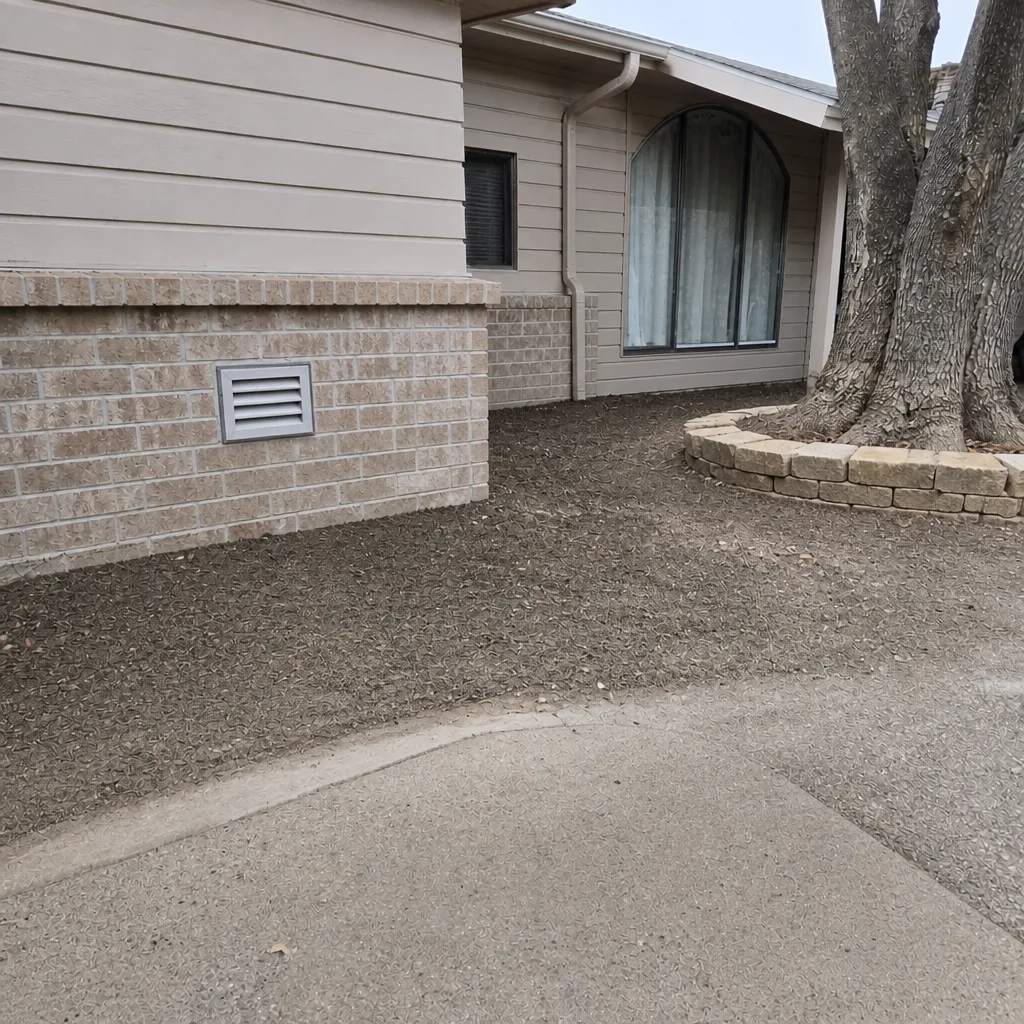
Whole-system duct and dryer vent check with before-and-after photos - you see exactly what came out of your vents
That "$99 whole-house special" is a bait ad - the real number appears once they are in your hallway, or the "clean" is a shop-vac at the register. We photograph the inside of your ducts before and after instead.
Air Duct Cleaning Maintenance Checklist for Mesquite Homeowners
A filter change every 90 days is the advice printed on every HVAC maintenance card. In Mesquite, it’s often too late. Construction dust from ongoing development around the city and seasonal cedar and oak pollen combine to load filters faster than the standard calendar suggests, and once a filter is packed, the blower pulls harder against your duct seams with every cycle. That pressure doesn’t announce itself. It shows up months later as tape peeling off a joint in the attic or a room that never quite cools. This guide gives you a maintenance checklist built around the conditions Mesquite homes actually face, with the inspection points that predict when cleaning stops being enough and repair becomes necessary.
Styles & brands we work with
- Whole-home duct cleaning
- Dryer vent cleaning
- Camera inspection
- Sanitizing & deodorizing
Quick Answer
A working duct maintenance routine in Mesquite means three things: checking your filter monthly rather than quarterly, inspecting accessible ductwork in the attic each season for disconnected joints and rodent activity, and scheduling professional air duct cleaning when you notice airflow or odor changes rather than on a fixed calendar. Generic national checklists miss the local load factors that shorten filter life and stress duct seams here.
Table of Contents
- Monthly Tasks for Mesquite Homes
- Quarterly Tasks Calibrated to North Texas Seasons
- The Annual Duct Assessment
- No-Tool Indicators You Can Check Yourself
- Choosing the Right MERV Rating for Your Home
- Attic Access Inspection Points
- The Documentation Habit That Protects You
- Common Mistakes to Avoid
- When to Call a Professional
- Frequently Asked Questions
Monthly Tasks for Mesquite Homes
Monthly is the right rhythm for the tasks that catch a problem while it’s still cheap to fix. The goal here isn’t to take anything apart. It’s to notice change early.
- Pull and hold your filter up to a light. A filter that blocks most of the light is loaded, no matter what the calendar says. Mesquite homes near active development can hit that point in under 45 days during windy stretches.
- Note the filter’s load pattern. Dust concentrated on one side can point to a return path that’s pulling from an unfiltered space, like an open attic stair or a garage wall penetration.
- Walk the house and feel each supply register by hand. You’re looking for two things: an obvious difference in airflow between rooms that used to be even, and any register that feels warmer or cooler than its neighbors on the same system.
- Smell the air at each return grille. A musty or dusty smell at one return that isn’t at the others tells you where the source is. Odor that cycles on and off with the blower is its own signal, covered below.
- Look at the register fins. Streaking or dark staining that spreads evenly across the face is normal dust. A single dark halo around one edge often means air is being drawn in or pushed out at that seam.
- Glance at your outdoor unit’s pad. A ring of fine dust or lint collecting near the base can point to a return-side leak pulling from outside the conditioned envelope.
None of these take more than a few minutes. Together they give you a month-by-month baseline, so when something shifts you’ll know it shifted instead of wondering whether it was always that way. That baseline is what makes the later inspection steps useful.
Quarterly Tasks Calibrated to North Texas Seasons
Quarterly work is where most generic checklists fall flat, because they assume the same seasonal load everywhere. Mesquite’s pattern is specific: a spring pollen wave, a hot dry summer that runs your system almost continuously, and a fall with its own outdoor dust kicked up by seasonal turnover. The tasks below follow that rhythm.
Spring: pollen load
Oak and cedar pollen dominate the early part of the season in North Texas. Check your filter every two weeks during the peak, not just at the start. Open windows on mild spring days pull pollen straight into returns. If you see a greyish film building on return grille faces, swap the filter rather than waiting.
Summer: continuous run stress
This is the season your blower is running the longest, which is the season duct seams take the most hours of pressure. Partially disconnect any accessible duct that looks loose, air seal it, and re-check in a month. In our experience, summer is when a small tape failure turns into a real leak.
Fall: inspection before the shoulder season
Walk the attic after the summer’s heat. Heat and pressure together loosen tape and mastic, and a joint that held in March may be separated by October. This is the best time for a full inspection, because you still have comfortable weather to work in and the system isn’t running hard.
Winter: the mild season
Winters here are gentle, and that’s precisely why winter is the easiest time to catch problems you missed earlier – no heavy pollen, no peak run hours, and plenty of light in the attic to see a seam that’s failed. Use the winter check to confirm that your spring and fall fixes actually held.
The Annual Duct Assessment
Once a year, you should do a real assessment rather than a glance. This is the point where a homeowner decides whether the system is in maintenance mode or needs professional service. The checklist itself is short; the judgment behind it is what matters.
- Compare filter change frequency against the year before. If you’re changing filters more often than last year, and nothing else in the home changed, something is loading the return air faster than it used to. That often points to a leak or a disconnection pulling from an unfiltered space.
- Total up any rooms that have never cooled or heated as well as their neighbors. That asymmetry is a real diagnostic signal, and it’s the one most homeowners dismiss as “just how this house is.”
- Do a full attic walkthrough with a light. Look for disconnected duct at collar joints, separated flex duct at wye fittings, rodent droppings or nesting material, and insulation that’s been pushed aside or compressed by foot traffic.
- Check every register for deposition inside the boot. Thick dust coating the inside of a supply boot is different from a dusty grille face, and it usually means the running system has been moving debris that’s settled rather than stuck to the face.
- Decide based on what you found. A clean inspection plus consistent filter life plus even airflow means you’re in good shape. A missed inspection item, uneven airflow, or odors that follow the blower cycle means you should book a professional assessment rather than clean the grilles and forget about it.
Get your assessment done before the cooling season starts, not during it. Air conditioning repairs are far easier to sort out when you know what’s going on with the duct system first.
No-Tool Indicators You Can Check Yourself
The most useful self-checks don’t require a screwdriver or a meter. They require paying attention to what your house is telling you in plain sight. Here are the ones that matter most for Mesquite ductwork.
Register discoloration patterns
Uniform grey dust on all registers is normal. So is light streaking around the fins. What you want to watch for is a pattern that’s uneven between rooms, or a sharp dark edge around one side of a grille. That edge usually traces back to a boot that’s not sealed to the drywall, and it will pull unfiltered attic air on every cycle.
Airflow asymmetry
Stand at each supply register with the blower running. A normal system has small differences from room to room based on duct run length. What you’re looking for is a room that’s clearly weak compared to its neighbors on the same branch, or a room that’s fine when the system first starts and weakens over a few minutes. The second pattern is a strong sign of a partially collapsed or disconnected flexible duct run.
Musty cycling odors
Odor that appears only while the blower runs, and disappears when it stops, is being pushed into the house from somewhere in the duct system. It could be a wet spot in a duct run, a microbial problem on the interior of a supply plenum, or a return that’s pulling air from a damp crawl space. This is the point where a professional assessment using Contaminant Abatement Technologies equipment is worth it, because the odor isn’t just unpleasant – it’s telling you something is growing or accumulating in the duct.
Recurring dust on specific surfaces
Dust on all horizontal surfaces is normal. Dust accumulating faster on a shelf directly under one register, or a dark film forming along the top of a baseboard in one room, is a localized signal worth investigating.
Choosing the Right MERV Rating for Your Home
MERV rating isn’t a “higher is better” question. Every filter trades filtration against static pressure, and in a Mesquite home with ductwork that’s already stressed, the wrong filter can make the underlying problem worse. Here’s a practical guide organized by household type.
- MERV 8, standard household: Adequate for most homes with no pets, no allergy concerns, and no active construction within a few blocks. This is the safe default and the lowest-stress option on the blower.
- MERV 11, pets or allergy concerns: The next step up. A good balance if you have a dog or cat, or a family member with pollen sensitivity. Most residential systems handle MERV 11 without a measurable static pressure problem, but it’s worth confirming your system can.
- MERV 13, high-filtration or construction-adjacent: This rating captures fine particulates more aggressively, but it also creates significant resistance. Homes near active Mesquite development or with a family member sensitive to fine dust should consider this only if your ductwork and blower are confirmed to handle the pressure.
- Beyond MERV 13: Rarely appropriate for a standard residential system. When higher filtration is genuinely needed, the better answer is a whole-home media cabinet or a higher-efficiency air purification solution – which is where brands like Aprilaire fit. We carry and install Aprilaire and Honeywell filtration solutions as part of duct work, so the filtration side is set up to match the system rather than strain it.
How to pick without guessing
Start with a MERV 8 filter and see how it performs. If filter life reaches the load threshold under 45 days and you haven’t changed anything else, that’s the wrong sign – your ductwork is drawing in more than the filter can handle. Rather than jumping to a higher rating, get a professional assessment of the return path. A duct repair may cut your filter load more than a MERV upgrade ever would.
Attic Access Inspection Points
The attic is where duct failures live. Everything below is walkable inspection, not a job to attempt yourself beyond confirming that a problem exists.
- Collar joints at the air handler and plenum. These are the most common disconnect points. Look for a visible gap, cracked mastic, or tape that has pulled away. On a hot day, you’ll often feel a strong draft at a failed collar.
- Flex duct runs. Follow each one from where it enters the plenum to where it enters the ceiling. Look for crushed, kinked or partially collapsed sections. A crushed run strangles airflow to the room it serves and is the most common cause of the airflow asymmetry you’ve already noticed.
- Wye and take-off fittings. These are where a single branch splits. Flexible duct that’s been secured with tape alone at one of these fittings often separates over time from the pressure cycles. If the tape is loose, the joint is leaking.
- Insulation displacement. Look for insulation that has been pushed aside, compressed, or dragged. Compressed insulation loses its thermal value, and displaced insulation over a duct run gives you a section that sweats in summer. A wet section of duct is a place where mold will grow.
- Animal intrusion. Rodent droppings, chewed duct lining, nesting material, and claw marks along duct runs are all signs. A chewed flex duct is an open hole into the system, pulling attic air into your home. This is not a problem to defer – it needs correction along with a cleaning to remove any contamination that followed.
- Duct support straps. Look for sagging runs or straps that have come off the truss. A sagging run collects condensation and can separate at a joint under its own weight.
If you see a live problem at any of these points, get a professional in. We repair ductwork as a standalone service with commercial-grade equipment, so a disconnect or collapse can be corrected without treating the call as a cleaning job or a general HVAC visit.
The Documentation Habit That Protects You
Most homeowners skip this step, and it’s the one that makes everything else work. A dated service log – on paper or in a note on your phone – is what turns a future contractor assessment from a guess into an accurate picture of what’s been going on in the system.
What to record
- Date of each filter change, plus the MERV rating of the filter you used.
- Any filter that loaded faster than you expected, and the specific indicator you saw – light test, color, or just days between changes.
- Any change to the airflow pattern you noticed, and the room involved.
- Any odor event – musty, dusty, or cycling with the blower – and how long it lasted.
- Any work a contractor has done: cleaning, sealing, duct repair, or filter/air quality upgrade, with the equipment brand noted.
Why it matters
When a professional assesses your system, a documented pattern lets them move straight to the right diagnostic step. Without it, they start from zero and often recommend a cleaning that won’t address the real problem. And for warranty coverage on duct repair work, having a dated record of the original issue and the repair is how you protect the claim. It’s also how you can honestly tell a future contractor what’s been done to the system – which matters more than most homeowners realize.
If you work with us, we note the equipment used on the service record and photograph before-and-after conditions at the registers. That’s a documentation habit we carry into every job in Mesquite.
Common Mistakes to Avoid
- Waiting for the quarterly filter change. The 90-day rule is a national average. In Mesquite homes near active construction, filters hit maximum load in under 45 days, and the loaded filter is silently stressing your system the entire time. Check monthly, and change based on what the light test shows.
- Going straight to the highest MERV rating. A MERV 13 filter on ductwork that’s already under static pressure strain makes things worse, not better. Fix the return path before upgrading filtration.
- Trusting that the grille face tells you everything. A clean grille face can sit in front of a dirty boot or a dirty duct run. Look inside the register, not just at it.
- Ignoring airflow asymmetry because the room “has always been that way.” A room that’s weakened over time has a specific cause – usually a crushed or disconnected flex duct run – and it’s addressable. Treating it as a fixed feature of the house skips the diagnosis.
- Sealing over a failed duct with standard HVAC tape alone. Tape fails under attic heat and pressure cycles. Duct repair requires proper mastic or a system-appropriate connection, not a tape patch.
- Skipping the dryer vent because the duct cleaning is done. The dryer vent cleaning is a separate fire-safety service. A clean air duct system doesn’t clear a lint-packed dryer vent, and it’s the leading household fire hazard for a reason.
- Not keeping a service log. A future contractor assessment is much more accurate with one, and warranty coverage on duct repair work often depends on documented history.
- Overlooking animal intrusion until the system fails. Chewed flex duct and nesting material in the attic are the most common serious duct problems we see after wildlife gets in. Rodent activity is a significant duct failure cause and needs correction, cleaning, and often an air quality assessment together.
When to Call a Professional
Some problems are self-checkable. Some aren’t. The signs below all point to work that needs professional equipment – not because a homeowner couldn’t confirm the problem exists, but because confirming it correctly and correcting it completely requires the right tools. Call us when any of these are true.
You’ve found a visible disconnect, crushed run, or rodent damage in the attic walkthrough. Your filter is loading in under a month even after you’ve changed filter brands. Airflow asymmetry is persisting into a second season. Any musty odor follows the blower cycle. You’re seeing dust that keeps returning to a specific room no matter how much you clean. Your dryer is taking noticeably longer to dry a load, or the outside vent hood is quiet when the dryer runs. You’ve never had the system professionally assessed and don’t know what’s inside the ductwork.
Duct Cleaning Mesquite offers free estimates in Mesquite – call (855) 360-8359. We answer 24/7. Fast dispatch from 7am to 7pm, Sunday through Friday. Our technicians have up to 10 years of experience, and we run the Duct Cleaning Mesquite team on Rotobrush and Nikro equipment so a cleaning actually reaches the interior of the duct rather than the register face. When we find duct damage, we repair it. That’s the difference between cleaning and correcting the problem.
Frequently Asked Questions
Check the filter monthly and change it when the light test fails, not on a fixed 90-day calendar. In homes near active construction or during heavy oak and cedar pollen season, that can mean changing in under 45 days. A loaded filter stresses your duct seams on every cycle, which is why the monthly check matters more here than the national average suggests.
MERV 11 is the practical step up for homes with pets or mild allergy concerns, but it’s worth confirming your system can handle the added static pressure. If your filter life is already short, fix the return path first. Call (855) 360-8359 for an exact assessment – estimates are free.
Cleaning addresses accumulated dust and debris; repair addresses physical damage. If your problem is even dust and steady filter load, cleaning is likely enough. If you have airflow asymmetry between rooms, a filter that loads in weeks, an attic walkthrough that shows a loose joint, or a musty smell that follows the blower, cleaning alone won’t fix it – that’s where air duct cleaning plus a duct repair assessment is the right call.
Cheap quotes usually reflect entry-level equipment and a quick pass over the register faces rather than the duct interior. Equipment is the honest tell: ask which cleaning system a company runs. Rotobrush and Nikro are the systems we use because they reach the duct interior. A quote that doesn’t specify equipment is telling you something about the work involved. Call (855) 360-8359 for a free estimate – the written estimate sets the final price.
Ask for before-and-after photos of the duct interior on your own system, plus a service record that notes the equipment used. We photograph before-and-after conditions as standard on duct work, and the equipment brands (Rotobrush, Nikro, Abatement Technologies where needed) are noted on the record. Call (855) 360-8359 for a free estimate.
Yes. Dryer vent cleaning is a separate, dedicated service from air duct cleaning. It’s the leading household fire hazard in homes and it’s not addressed by a duct cleaning. If your dryer takes longer to dry a load or the outside vent hood is quiet when the dryer runs, book it. Call (855) 360-8359 – estimates are free.
Call a professional. Chewed flex duct is an open hole pulling attic air into the system, and the correction involves both repairing the damaged run and cleaning any contamination that followed. We carry Abatement Technologies equipment for jobs that involve contaminant and particle concerns, and we repair duct damage as a standalone service. Call (855) 360-8359 for a free estimate.
The Bottom Line
The right duct maintenance routine for a Mesquite home comes down to three habits: check the filter based on load, not calendar; inspect accessible attic ductwork each season for disconnections, crushed runs, and animal intrusion; and keep a dated service log so future assessments are grounded in what actually happened. Skip the generic checklists that assume a single national climate. The pressure differential in a loaded Mesquite filter is stressing your duct seams every day it goes unchecked, and that’s the failure point most generic advice never mentions. When you’re ready to move from checking to correcting, air duct cleaning plus a repair assessment is where to start.
We answer 24/7, with fast dispatch from 7am to 7pm, Sunday through Friday, and closed Saturday. Call (855) 360-8359 for a free estimate on cleaning, dryer vent cleaning, or duct repair in Mesquite.
Written by the team at Duct Cleaning Mesquite.
See the difference
 Before
 After
 Before
 After
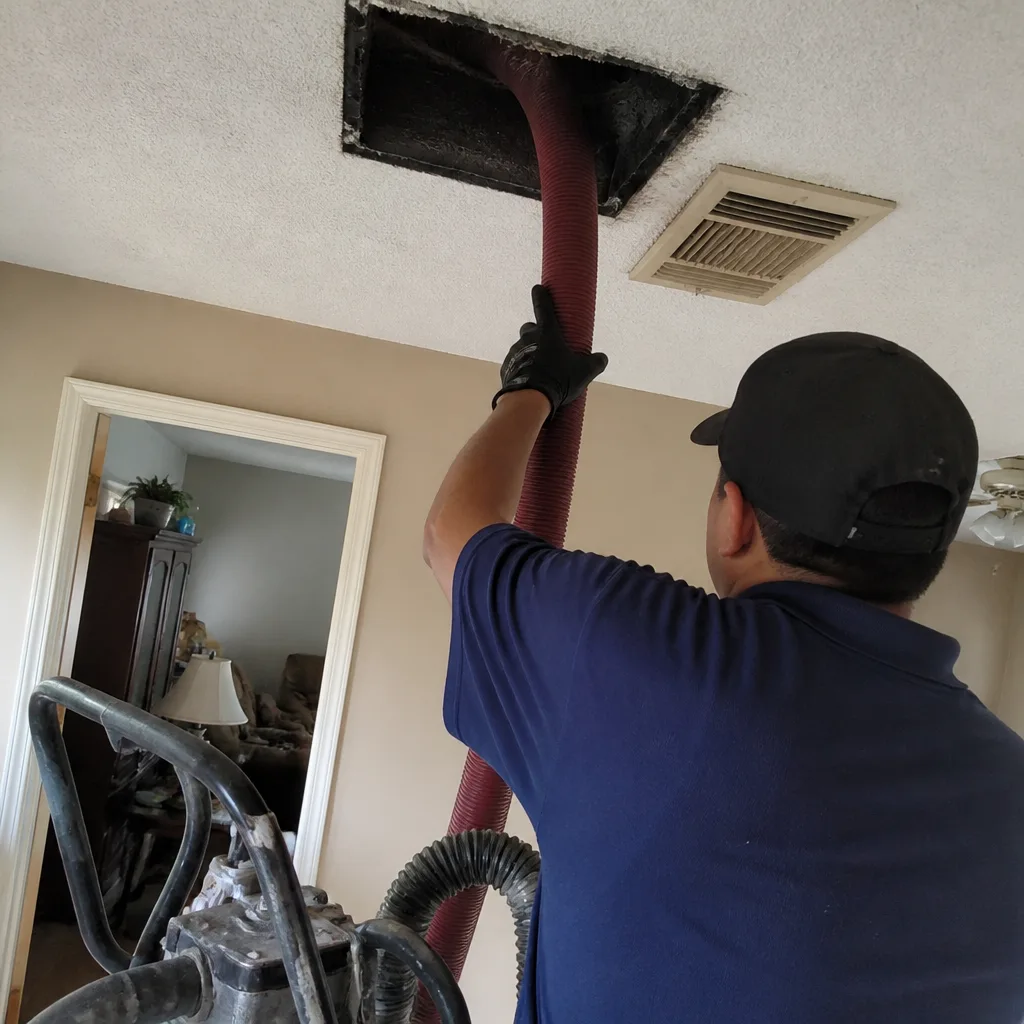 Before
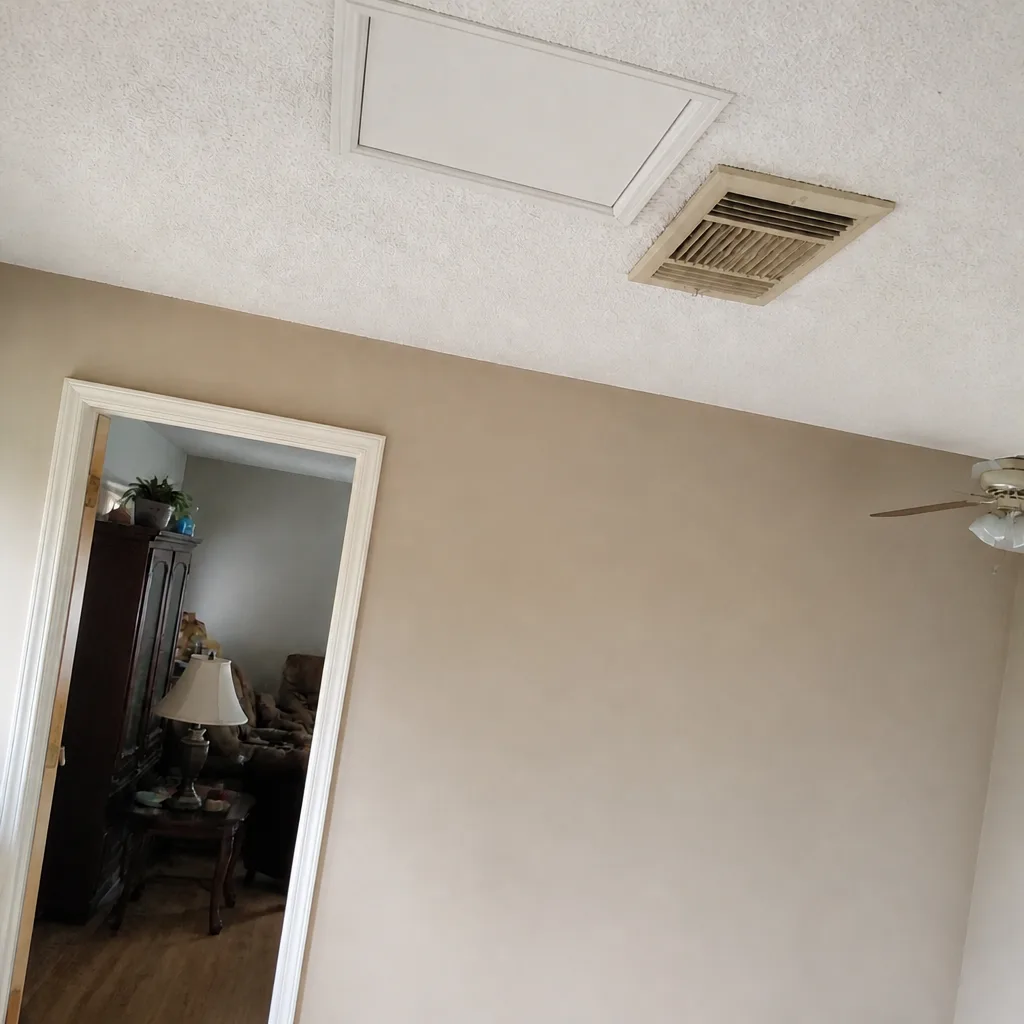 After