
Last updated November 15, 2026
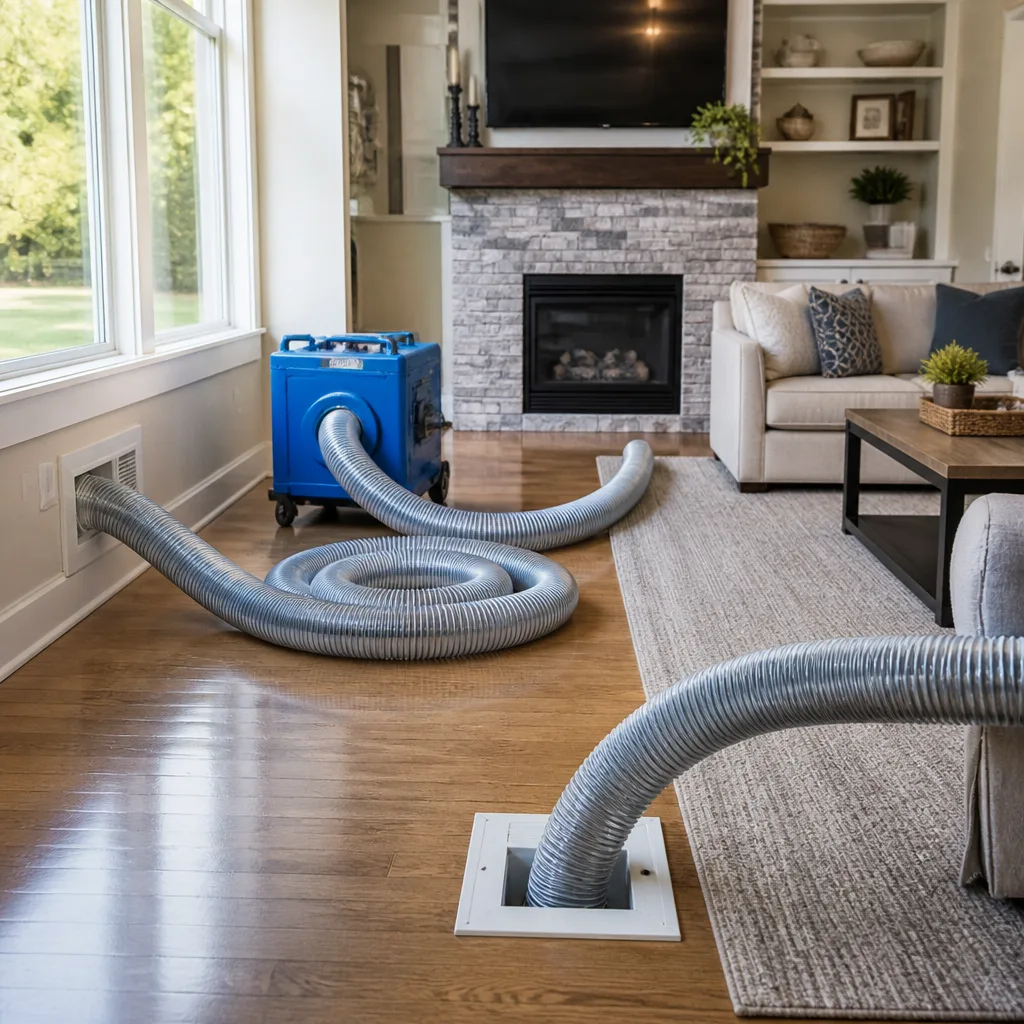 Whole-home duct cleaning
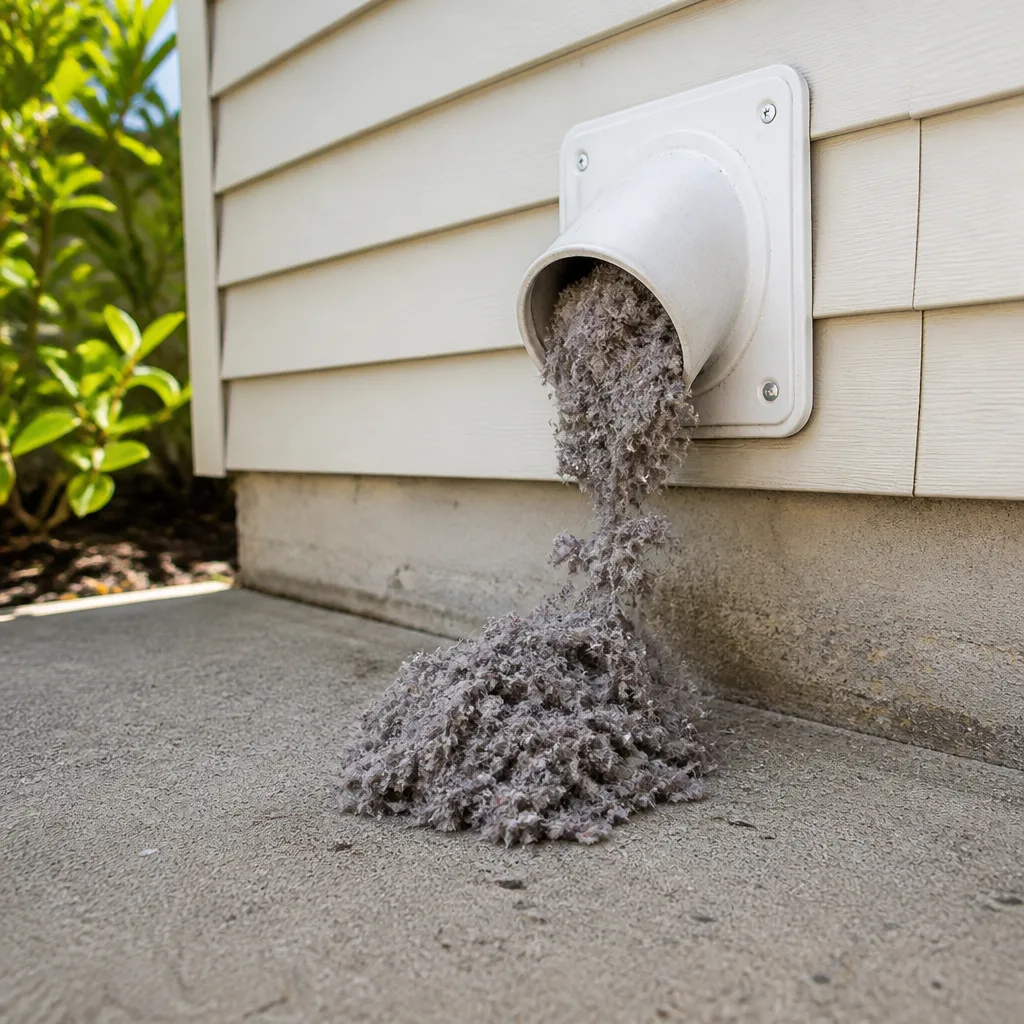 Dryer vent cleaning
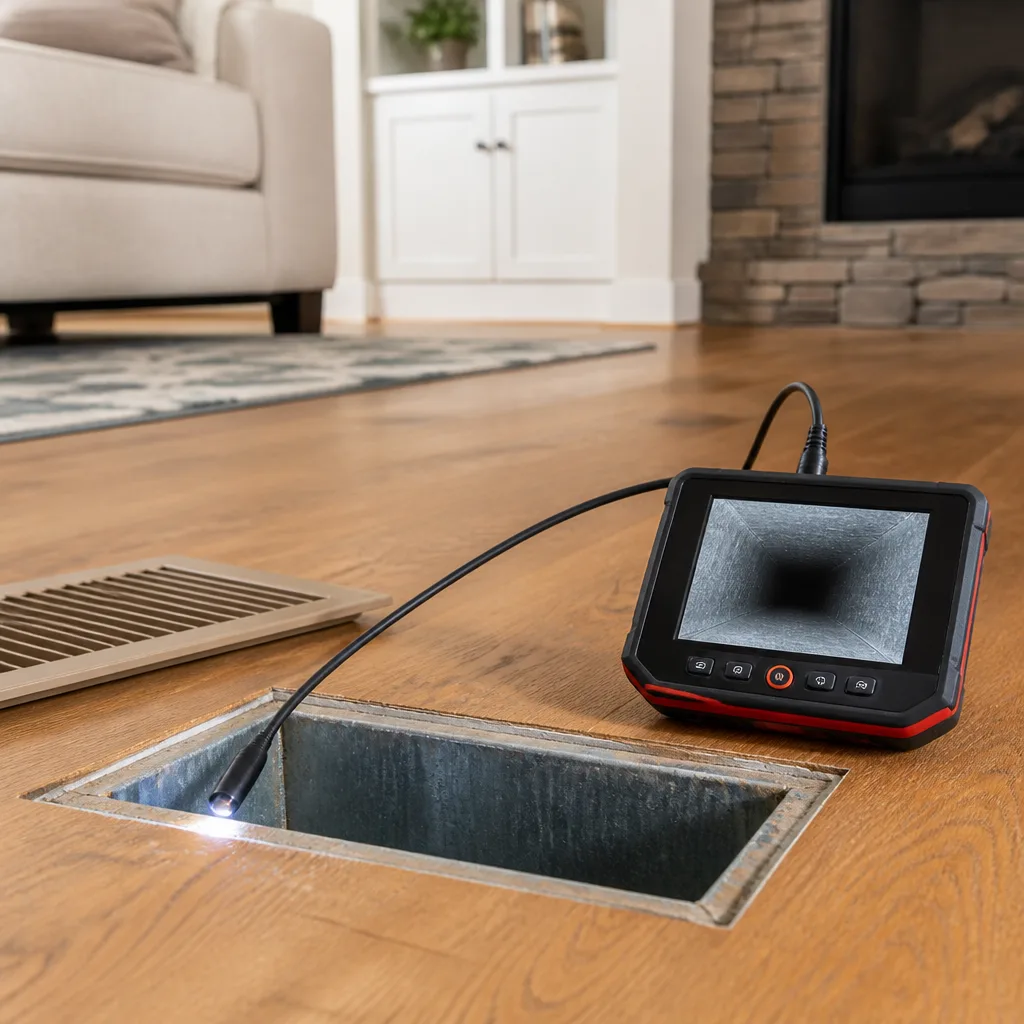 Camera inspection
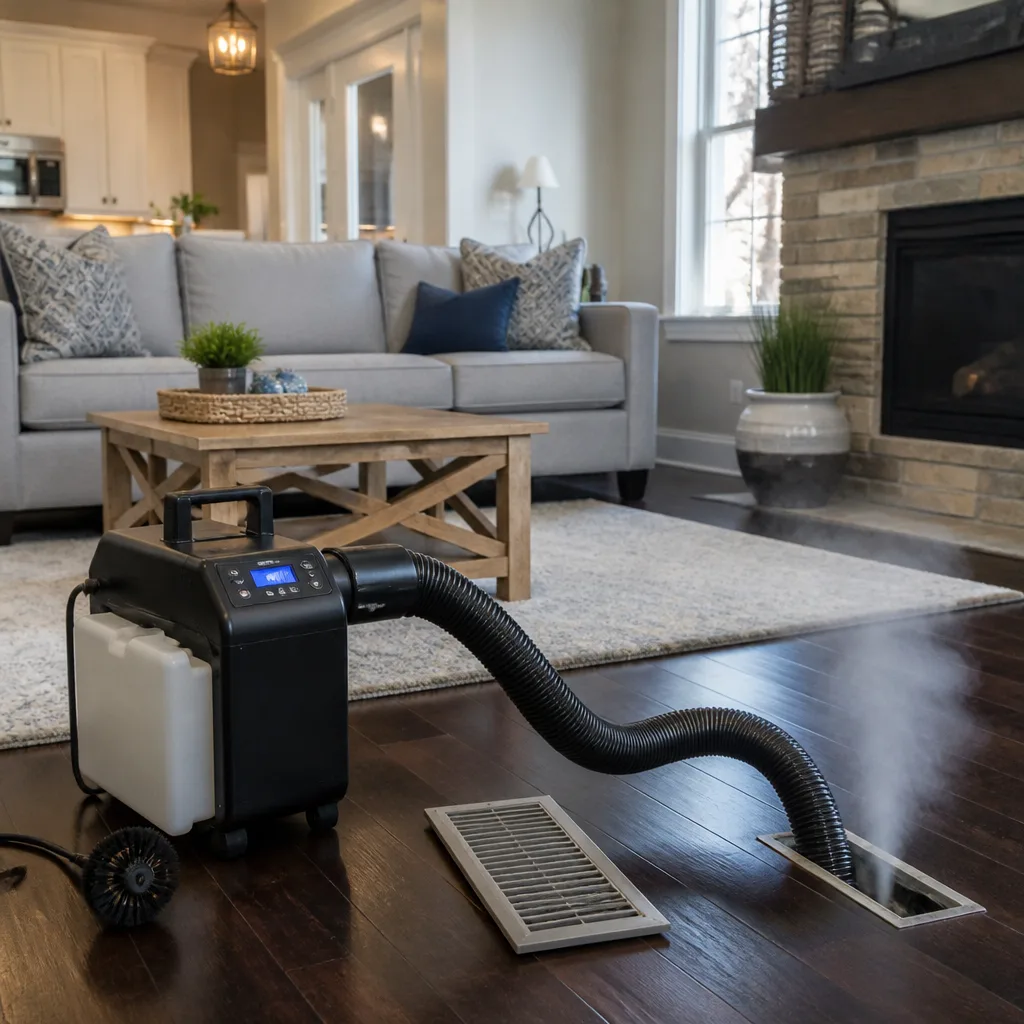 Sanitizing & deodorizing
Whole-system duct and dryer vent check with before-and-after photos - you see exactly what came out of your vents
That "$99 whole-house special" is a bait ad - the real number appears once they are in your hallway, or the "clean" is a shop-vac at the register. We photograph the inside of your ducts before and after instead.
Air Duct Cleaning Maintenance Schedule: What to Do and When
The national “every three to five years” duct cleaning rule was not written for a city that runs its air conditioner nine months a year in a region with some of the highest particulate-load air in North Texas. Mesquite sits in a pocket of red clay dust, heavy summer humidity, and long cooling seasons that push HVAC systems harder than the generic schedules assume. That means the calendar most homeowners follow is calibrated for a milder, cleaner climate. This guide lays out a Mesquite-specific maintenance calendar tied to local conditions rather than generic advice, covering filter timing, professional cleaning intervals, post-cleaning benchmarks, and the red-flag events that reset everything.
Quick Answer
In Mesquite, most homes should schedule professional air duct cleaning every two to three years rather than the national three-to-five-year default, because high summer humidity, red clay particulate, and long AC run times accelerate buildup. Change or clean your HVAC filter every 30 days during peak cooling season. Homes with pets, recent renovation, or allergy sufferers may need duct cleaning every 12 to 18 months. Visual inspections should happen every spring after storm season and every fall before heating load.
Styles & brands we work with
- Whole-home duct cleaning
- Dryer vent cleaning
- Camera inspection
- Sanitizing & deodorizing
Table of Contents
- Why Mesquite’s Climate Changes the Standard Schedule
- Month-by-Month Maintenance Checklist for Mesquite
- Filter Maintenance vs. Duct Interior Maintenance
- How Pets, Renovation, and Allergies Shorten the Interval
- Post-Cleaning Benchmarks to Record
- Red-Flag Events That Reset the Schedule
- How to Choose a Duct Cleaning Professional
- Common Mistakes to Avoid
Why Mesquite’s Climate Changes the Standard Schedule
The three-to-five-year duct cleaning recommendation that circulates in national home maintenance guides assumes a climate with distinct, moderate seasons and relatively clean outdoor air. Mesquite does not match that profile. Three factors shift the math.
Long cooling seasons mean long runtime. In Mesquite, air conditioning systems often run from March into November. Every hour a system runs, it pulls air through the return ducts and pushes it through the supply side. The more air moves through a duct system, the faster dust, debris, and biological growth accumulate on duct interiors, evaporator coils, and blower components. A home in a cooler climate that runs its system six months a year simply accumulates less.
Red clay particulate is a real load. North Texas soil is dominated by expansive red clay that turns to fine dust in dry periods and heavy mud in wet ones. That dust gets tracked in, pulled through return grilles, and deposited inside ductwork. After spring storm season, when wind-driven particulates spike, that load grows quickly.
Summer humidity drives biological growth. When outdoor humidity climbs and cool air passes through duct interiors, condensation forms on cold surfaces. That moisture, combined with accumulated dust, creates conditions where mold and mildew can establish inside ductwork. In Mesquite’s summers, this is a legitimate concern that a drier climate would not face.
Together these factors compress the standard interval. In our experience, a typical Mesquite home lands in the two-to-three-year window rather than the three-to-five-year default. Homes with pets or allergy-sensitive occupants may need service closer to annually. If you want a fast read on your own home, air duct cleaning service starts with a visual inspection that answers the interval question directly.
Month-by-Month Maintenance Checklist for Mesquite
This is the calendar we recommend to Mesquite homeowners. It is built around the local seasonal pattern rather than a generic national template. Not every month requires action, but each one has a specific purpose.
January and February: Baseline and Filter Discipline
- Check the filter monthly. Heating season still pulls air through ducts, though lighter than summer.
- Walk the house and note any new dust patterns on registers or ceiling fans.
- If the last professional cleaning was more than two years ago, book an inspection now before the spring rush.
March and April: Pre-Season Filter Check Before Peak Load
- Replace the filter before the first sustained cooling stretch. A clean filter at the start of the heavy season extends the interval between cleanings.
- Inspect return grilles and supply registers for visible dust buildup.
- Listen for whistling or reduced airflow at registers, which can signal partial blockage.
May and June: Visual Inspection After Spring Storm Season
- Post-storm, outdoor particulate load is at its highest in Mesquite. Inspect accessible duct runs and the air handler closet.
- Look for dust streaks around flex duct connections and at the plenum.
- If you see visible buildup inside a register boot, schedule professional cleaning rather than waiting.
July and August: Peak Load Monitoring
- Check the filter every 30 days during peak cooling. This is when runtime is highest and filter loading is fastest.
- Watch for musty odors when the system starts, a sign of moisture in the duct system.
- Avoid DIY fogging products or sprays into ducts during this period, which can add moisture rather than remove contamination.
September and October: Post-Summer Assessment
- After the heaviest cooling months, inspect filter condition and register dust.
- If the system ran harder than usual or you noticed reduced airflow, this is the time to book a cleaning.
- Record any observations alongside previous years for comparison.
November and December: Pre-Heating Check
- Change the filter before heating season begins.
- Confirm return grilles are unobstructed by furniture or rugs.
- If the home has pets or recent renovation, this is a reasonable time to schedule the next professional cleaning.
The pattern is simple: filter discipline year-round, visual inspection twice a year, professional cleaning on the interval your home actually needs. Our Duct Cleaning Mesquite team can walk through this calendar with you and flag the points where your specific home drifts from the standard.
Filter Maintenance vs. Duct Interior Maintenance
The single most common source of under-servicing we see is homeowners treating a clean filter as a proxy for clean ducts. Those are two different maintenance tasks with two different owners and two different intervals.
Filter maintenance is DIY and monthly. The filter is the first line of defense. It catches particulate before it reaches the blower and coil. A dirty filter reduces airflow, forces the blower to work harder, and lets more particulate bypass into the duct system. The fix is simple: inspect every 30 days, replace on the schedule the filter manufacturer specifies. For most Mesquite homes, that’s every one to three months depending on filter type and household conditions. During peak cooling, lean toward the shorter end.
Duct interior maintenance is professional and interval-based. Duct interiors collect what the filter misses. Over years, that includes settled dust, construction debris left from the original build, and biological growth in humid conditions. No filter change touches that. Cleaning requires negative-pressure equipment and agitation tools that reach the full duct run, which is why professional service matters here. That’s where professional-grade equipment separates a real cleaning from a shop-vac pass. We use both Rotobrush and Nikro systems, two of the most recognized professional duct cleaning platforms, because different duct configurations respond better to different tooling.
Conflating the two is how homes end up under-serviced. A homeowner who replaces the filter faithfully and never inspects duct interiors has done real maintenance, but only on one side of the system. The duct side still needs its own interval.
A simple rule: if you can’t remember the last professional duct cleaning, it’s likely overdue. Filter changes don’t reset that clock.
How Pets, Renovation, and Allergies Shorten the Interval
The two-to-three-year baseline for Mesquite shifts based on household conditions. These multipliers are worth applying honestly to your own home.
Pet Count
Each pet adds dander and hair to the air stream. A single short-haired pet is minor. Two or more pets, or any long-haired breed, pushes the interval shorter. Homes with multiple pets in Mesquite often land in the 12-to-18-month range rather than two to three years. Pet dander is fine enough to pass standard filters and settle in duct interiors, which is why the accumulation outpaces what a filter change can address.
Renovation Activity
Any renovation that opens walls, disturbs insulation, or generates drywall dust adds a large one-time load to the duct system. Even with plastic sheeting and negative air, some particulate reaches the return. If a renovation happened in the past 12 months, schedule a cleaning afterward regardless of the normal interval. Homes that renovate continuously or that sit near active construction should treat the shorter interval as permanent.
Occupant Allergy Status
Allergy and asthma sensitivity is the multiplier that matters most. For occupants with respiratory conditions, the margin for accumulated dust and biological growth is far smaller. Many allergy-conscious households in Mesquite choose annual cleaning, not because the ducts are badly fouled but because lowering the baseline contamination keeps symptoms predictable. For these homes we often add Abatement Technologies equipment to the job, since contaminant and particulate abatement beyond routine dust removal needs the right tooling. If you want to layer filtration upgrades on top, Honeywell and Aprilaire products integrate whole-home filtration with the duct system rather than fighting it.
Stacking the Multipliers
Multipliers stack. A home with two pets, a recent kitchen remodel, and one allergy-sensitive occupant is a candidate for annual service, not because of any single factor, but because the factors compound. The right approach is to total them honestly and pick the shortest defensible interval.
Post-Cleaning Benchmarks to Record
Here is the part almost nobody does, and it’s the part that saves real diagnosis time on the next service call. After a professional cleaning, record baseline measurements. Without them, the next technician starts blind. With them, a comparison takes minutes.
- Static pressure at the air handler. Ask the technician to measure total external static pressure. Write it down with the date. If static pressure climbs on a future visit, that signals restriction somewhere in the system.
- Airflow at key registers. Measure airflow at three to five representative registers, ideally one per floor or zone. Record the readings and which register each belongs to.
- Filter type and size. Note the exact filter model installed after cleaning so future filter changes match.
- Visual condition notes. Photograph accessible duct interiors before and after cleaning. Keep the before-and-after photos of your own ducts with your home maintenance records.
- Date and service scope. Record the cleaning date along with what was cleaned (supply side, return side, both) and what was not.
- Any flags noted. If a technician noted a loose connection, a partially collapsed flex run, or a suspected rodent entry, record it so the next visit revisits it.
These six data points let the next service call compare rather than restart. A static pressure reading that has climbed 0.1 inches of water column since the last cleaning is a real signal. Without the baseline, there’s no signal at all, only a fresh measurement. If you move into a home where the previous owner didn’t keep records, that itself is a reason to establish baselines on your first cleaning.
Red-Flag Events That Reset the Schedule
Some events override the interval entirely. No matter when the last cleaning happened, these reset the clock to zero. In our experience, homeowners sometimes wait to “use up” the remaining time on their normal schedule after one of these events, which is the wrong call.
- Water intrusion or flooding. Any water that reaches duct insulation, the air handler, or duct interiors creates a moisture condition that supports biological growth quickly in Mesquite’s humid climate. Schedule professional inspection immediately, not on the normal interval.
- Rodent or pest intrusion. Rodents in ductwork leave droppings, nesting material, and contamination that requires abatement-level cleaning. This is not a routine dust removal job. We reach for Abatement Technologies equipment in these situations, since contaminant abatement needs the right tooling rather than routine cleaning tools.
- HVAC coil replacement or major system work. When the evaporator coil, air handler, or a major section of the system is replaced, the ducts should be cleaned before the new equipment is tied in. Debris from the original system would otherwise contaminate the new coil. Cleaning after the swap is too late.
- Home purchase or move-in. Without service records from the previous owner, assume the ducts need a cleaning. It’s the only way to establish a benchmark and confirm what you’re living with.
- Visible mold inside the system. Any visible mold on duct interiors, the plenum, or the air handler requires professional assessment before routine cleaning.
- Persistent musty odor. A smell that doesn’t clear after filter changes is a signal of duct-level contamination, not a filter problem.
Each of these resets the interval, not just reschedules it. A flood event doesn’t mean you clean six months early; it means the schedule starts over from the cleaning date. If you are unsure whether an event qualifies, our Mesquite team can advise over the phone before booking.
How to Choose a Duct Cleaning Professional
Equipment matters more than marketing when choosing a duct cleaning professional, and this is where a real specialist separates from a generalist with a shop vac.
- Ask what equipment will be used. Professional-grade negative-pressure equipment and rotary agitation are the baseline. We use Rotobrush and Nikro systems because both are proven across the duct configurations common in Mesquite homes. A single entry-level tool often does not reach the full run.
- Ask whether they can repair damage. Cleaning alone does nothing for torn flex duct, disconnected joints, or a crushed return. That’s why we offer standalone duct repair capability rather than only cleaning. If a company can only clean, damage stays unresolved.
- Ask how they handle contamination. For jobs involving biological growth, pest contamination, or post-flood remediation, ask whether they use abatement-level tooling. Abatement Technologies equipment is the signal a crew is set up for more than dust.
- Ask about post-cleaning finishing. Protective finishing after cleaning matters for durability. Guardsman-brand products are part of how we seal and finish the job.
- Ask for before-and-after evidence of your own ducts. A photo record of the actual ductwork, not stock images, is the standard.
- Ask how the price is set. We work on one flat price per system agreed before work starts, with the written estimate setting the final number. Per-vent teaser pricing is a warning sign.
Ask these six questions of any company you’re considering, including us. The answers tell you what the job actually involves.
Common Mistakes to Avoid
- Assuming the filter resets the duct clock. A clean filter is good maintenance, but it doesn’t clean duct interiors. Homeowners who change filters faithfully and never inspect ducts end up under-serviced on the side that matters for air quality.
- Following the national three-to-five-year rule in Mesquite. The local climate runs systems longer and loads ductwork with red clay particulate. Two to three years is the more realistic Mesquite baseline for most homes.
- Waiting after a red-flag event. Flooding, rodent intrusion, or a coil swap resets the schedule to zero. Waiting to “use up” the remaining interval allows contamination to build.
- Skipping baseline measurements. Without static pressure readings and register airflow baselines from the last cleaning, the next service call starts blind and can’t compare condition over time.
- Choosing on teaser pricing alone. A low coupon price often becomes a much larger invoice once the technician is on site. One flat price per system, agreed in writing before work starts, is the honest structure.
- Cleaning without inspecting for damage. A cleaning job on torn flex duct or a disconnected joint cleans around a problem rather than fixing it. Ask specifically about repair capability.
- Ignoring the dryer vent. A clogged dryer vent is a dedicated fire hazard distinct from the duct system. dryer vent cleaning belongs on the same maintenance calendar, at least annually.
See the difference
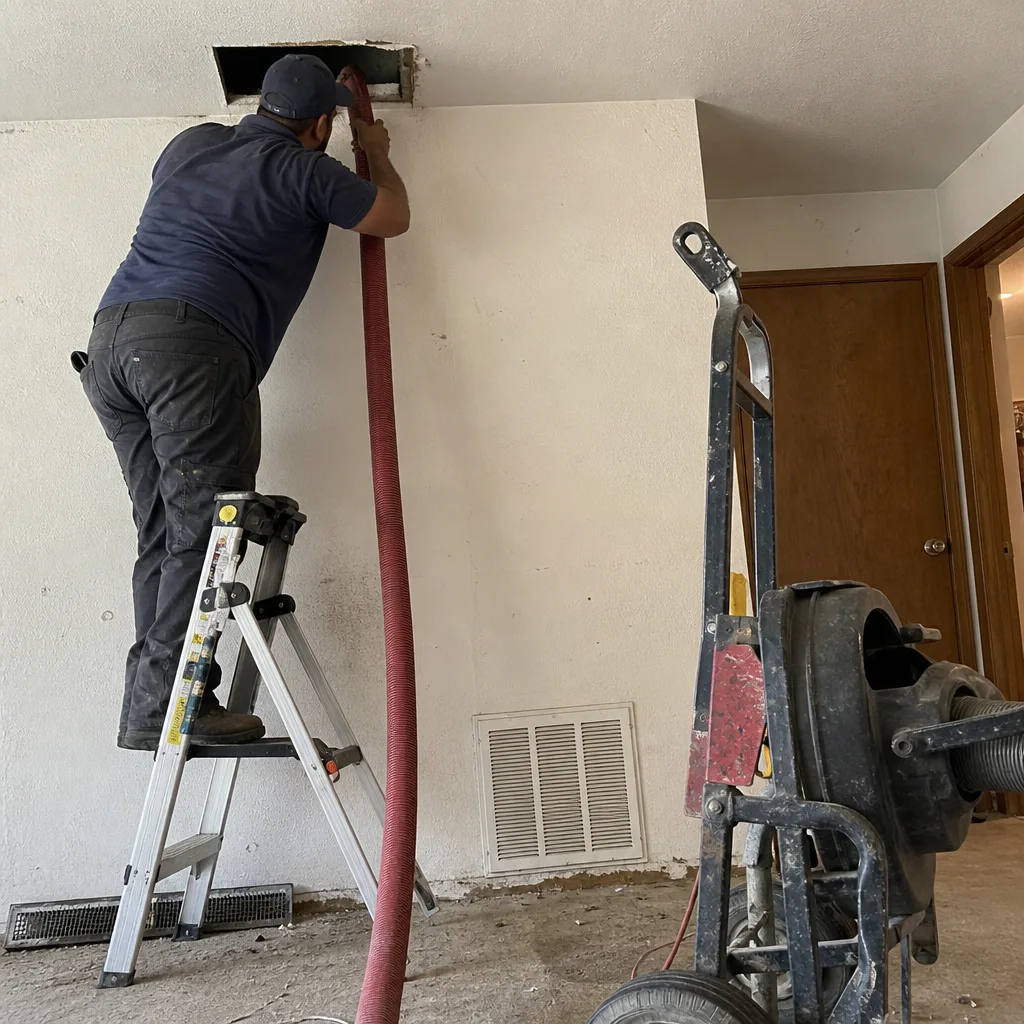 Before
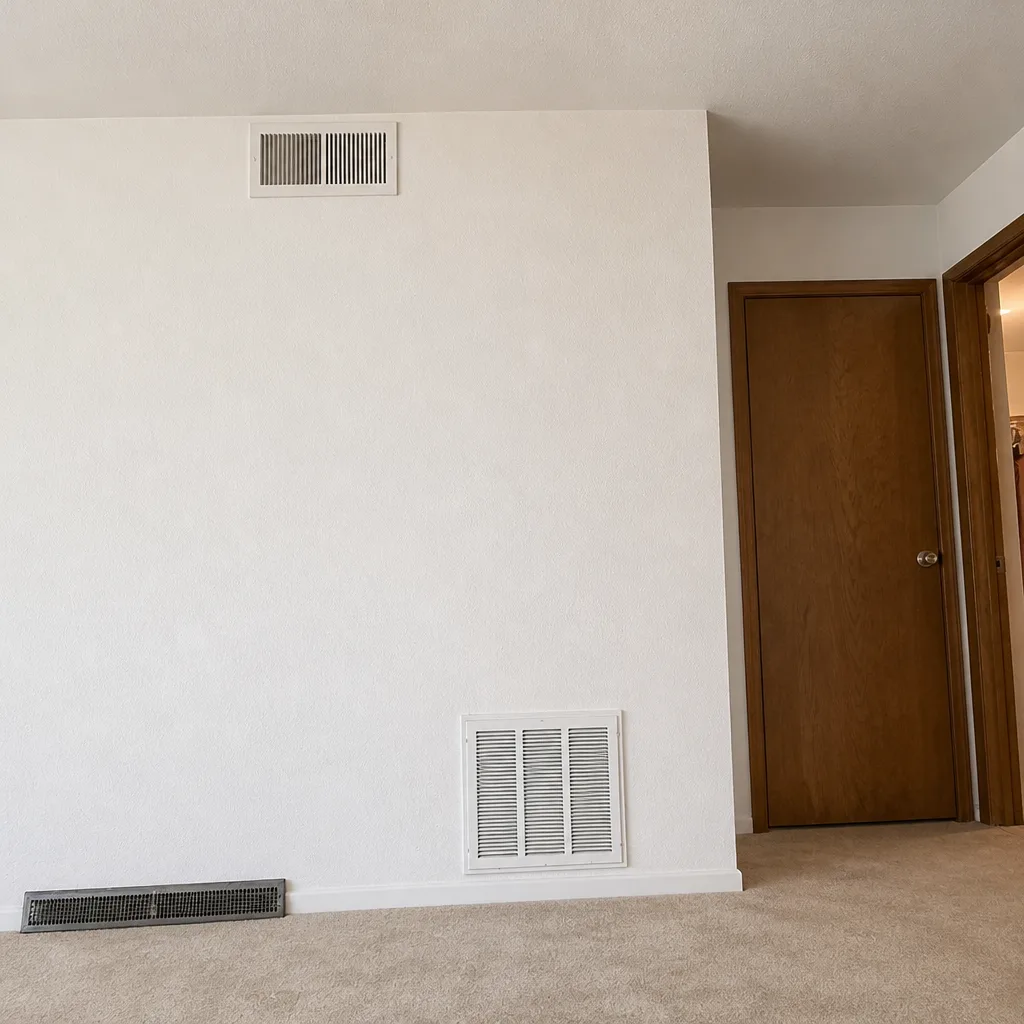 After
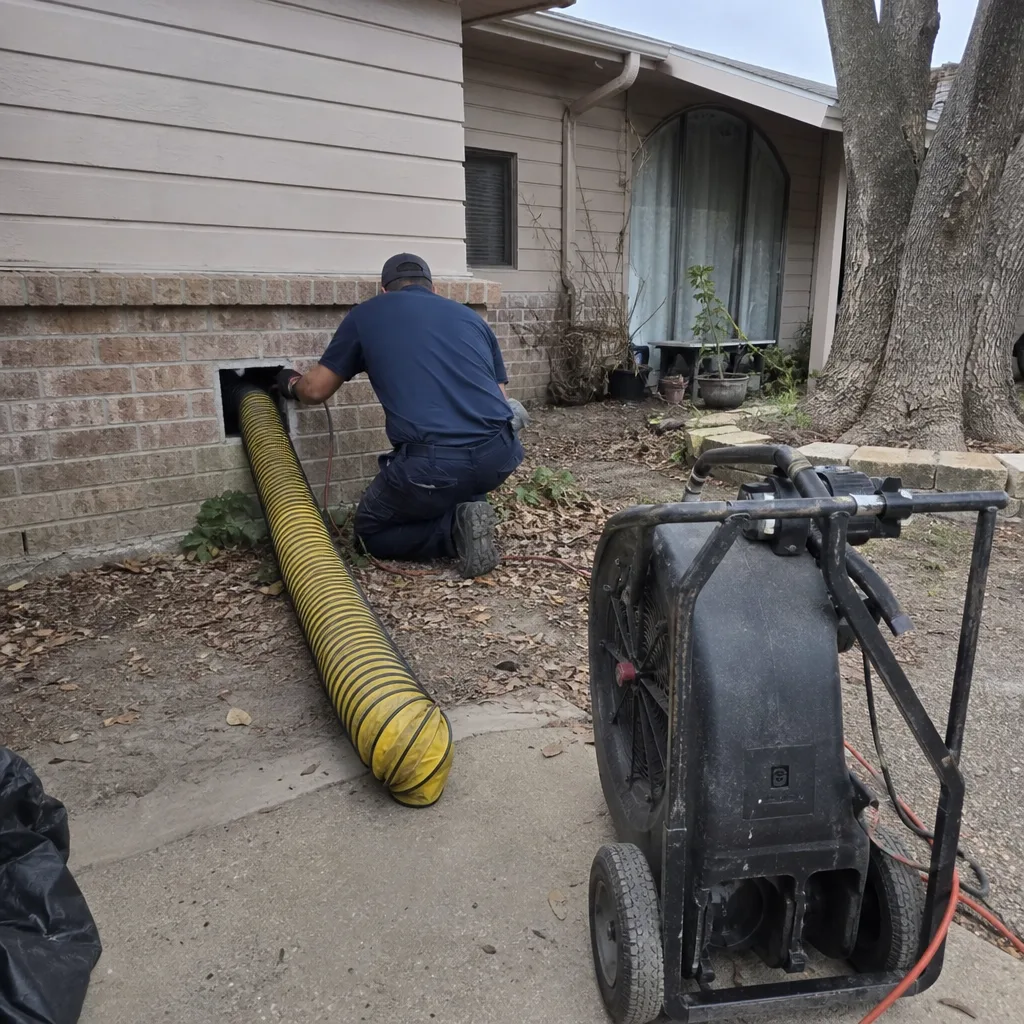 Before
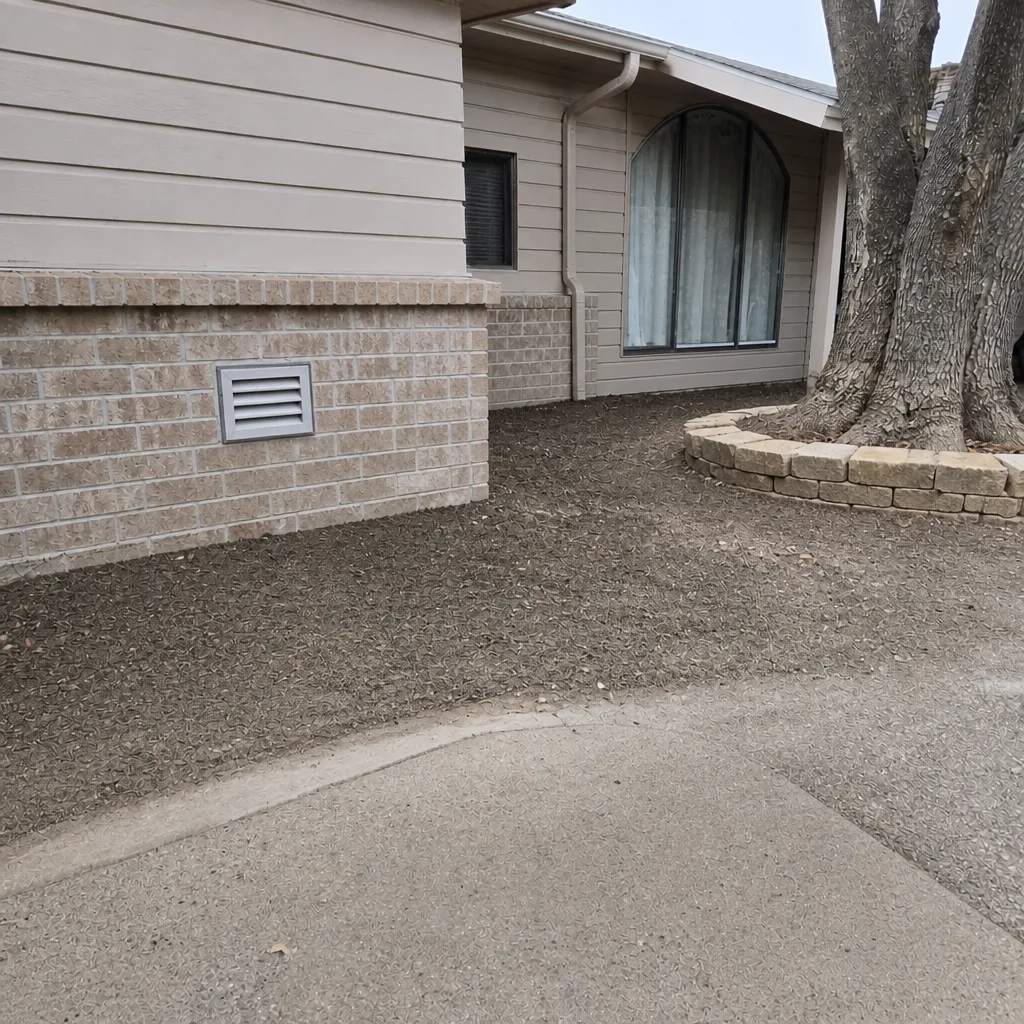 After
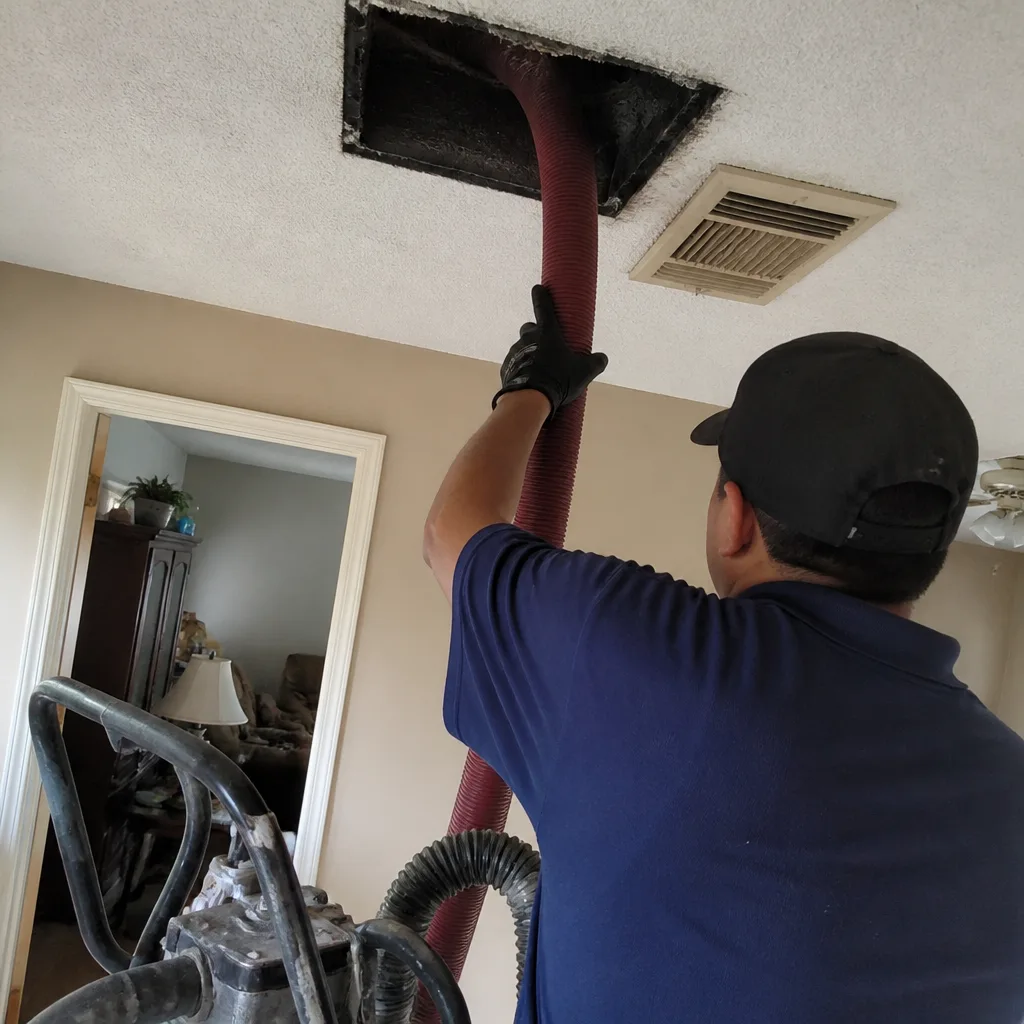 Before
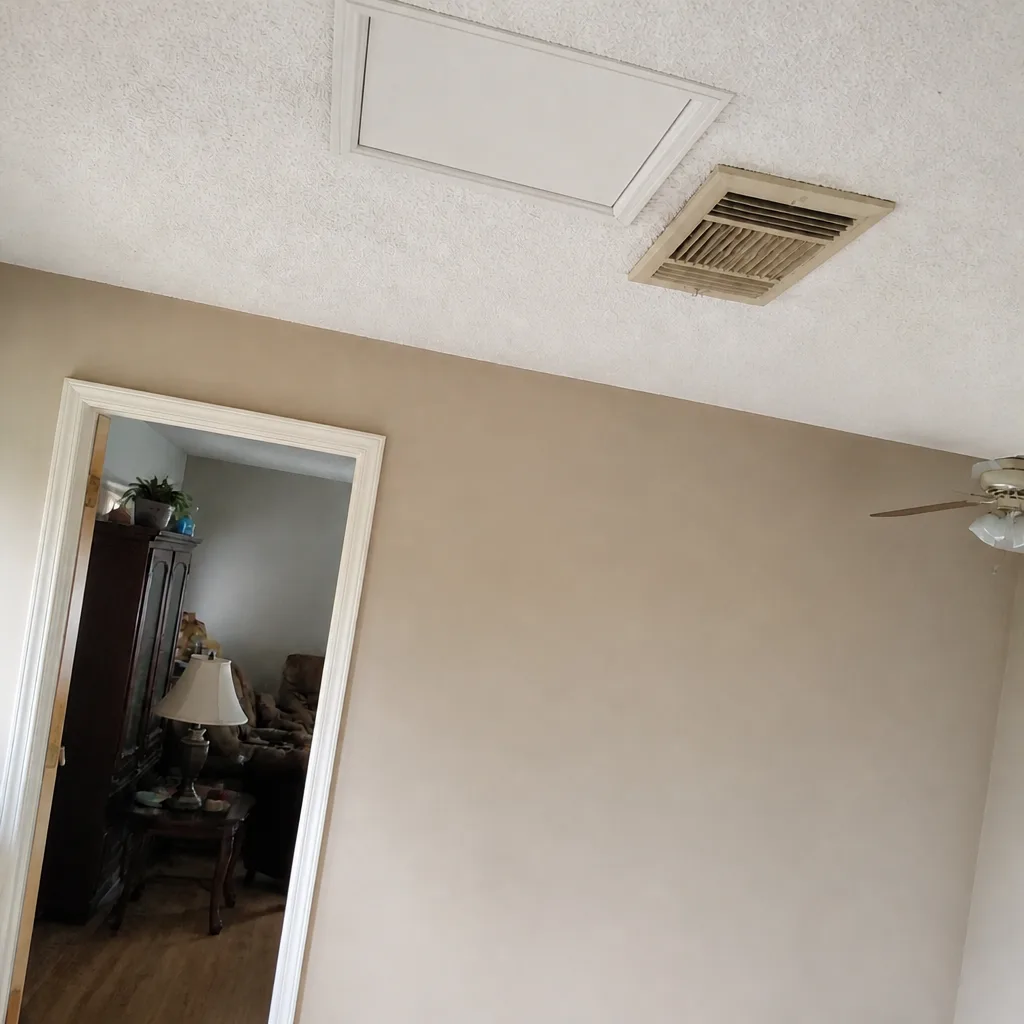 After
When to Call a Professional
Call a professional when the diagnostic picture crosses from “wait” to “act.” Specific scenarios: you see visible buildup inside a return boot or supply register; you notice a musty odor that returns after a filter change; you’ve had a water intrusion, pest problem, or recent renovation; you’ve just purchased the home and have no service history; or you have an allergy-sensitive occupant and the last cleaning is more than a year old. Also call if airflow has dropped noticeably across multiple registers, which can signal restriction or a damaged duct run. Duct Cleaning Mesquite offers free estimates in Mesquite. Call (855) 360-8359. We answer 24/7. Fast dispatch from 7am to 7pm, Sunday through Friday. Our technicians have up to 10 years of experience.
Frequently Asked Questions
Every two to three years for a typical Mesquite home, rather than the national three-to-five-year default. The longer cooling season, red clay particulate load, and summer humidity all accelerate accumulation. Homes with pets, recent renovation, or allergy-sensitive occupants should plan on every 12 to 18 months. Call (855) 360-8359 for an estimate that accounts for your specific home.
Yes, because filter changes and duct cleaning address different parts of the system. The filter catches particulate before it reaches the blower, but duct interiors collect settled dust, construction debris, and biological growth that no filter addresses. Change the filter every 30 days during peak cooling and still keep the professional duct cleaning interval on its own clock. Call (855) 360-8359 for an inspection.
We quote one flat price per system, agreed in writing before work starts, so the number you accept is the number on the invoice. What moves the price is system size, accessibility of the duct runs, and whether repair or abatement-level work is needed. Per-vent teaser pricing often grows once the technician is on site, which is why we don’t quote that way. Call (855) 360-8359 for a free estimate.
Cheap quotes are usually built on a teaser price that gets revised upward once the technician inspects the system, or on equipment that reaches only the easiest parts of the duct run. Ask what equipment is used, whether repair capability is included, and whether the price is fixed per system or per vent. Our pricing is flat per system and fixed by the written estimate. Call (855) 360-8359 to compare.
Before-and-after photos of your own ducts, taken during the job. Any crew can claim a cleaning occurred; photos of the actual ductwork are the record. We provide before-and-after images of your ducts as part of the job, plus baseline measurements you can compare against the next service call. Call (855) 360-8359 to schedule.
Yes, and it’s a separate schedule from duct cleaning. The dryer vent is a dedicated fire hazard and should be cleaned at least annually regardless of duct cleaning timing. We treat it as a distinct, named service with the same equipment discipline as duct work. Call (855) 360-8359 to schedule dryer vent cleaning.
The Bottom Line
The national three-to-five-year duct cleaning rule assumes a climate Mesquite doesn’t have. Homes here should plan on professional cleaning every two to three years as a baseline, with shorter intervals for pets, renovation, and allergy-sensitive occupants, and immediate cleaning after red-flag events like flooding or pest intrusion. Change filters monthly during peak cooling, inspect ducts twice a year, and record static pressure and register airflow after every cleaning so the next service call has something to compare against. If you’re unsure where your home sits on the calendar, a free estimate settles the question. Call (855) 360-8359. We answer 24/7. Fast dispatch from 7am to 7pm, Sunday through Friday.
Written by the team at Duct Cleaning Mesquite.